Key Takeaways
- Radiological tests in health screening clinics help detect internal conditions early, even before symptoms appear.
- Common imaging tests include X-rays, ultrasound, CT scans, and MRI, each suited for specific health assessments.
- The necessity of radiological tests depends on age, medical history, family risk factors, and lifestyle.
- Consulting a qualified physician ensures appropriate use of radiological screening and minimizes unnecessary exposure.
Regular health screenings are vital for maintaining overall wellness and preventing serious diseases. While blood tests, physical exams, and basic lab work are often standard, many people wonder whether they should include radiological tests as part of their routine screenings. Visiting a health screening clinic can provide access to a range of imaging options designed to detect internal abnormalities early, offering valuable insights into your health.
Understanding Radiological Tests
Radiological tests, also known as medical imaging, use different technologies to visualize internal structures of the body. These tests are non-invasive and allow physicians to detect potential health issues that may not be evident through routine examinations.
Common radiological tests offered in health screening clinics include:
- X-rays: Useful for examining bones, lungs, and chest structures.
- Ultrasound: Uses sound waves to evaluate soft tissues, organs, and blood flow.
- CT (Computed Tomography) Scans: Provide detailed cross-sectional images of internal organs.
- MRI (Magnetic Resonance Imaging): Offers high-resolution images of soft tissues, including the brain, spine, and joints.
Each type of imaging has specific applications, advantages, and limitations. Selecting the appropriate test requires professional guidance based on individual health needs.
Benefits of Radiological Screening
- Early Detection of Diseases: One of the primary advantages of radiological tests at a health screening clinic is early detection. Imaging can reveal tumors, cysts, or organ abnormalities before symptoms develop, allowing timely intervention.
- Comprehensive Health Assessment: Radiological imaging complements blood tests and physical examinations, providing a complete picture of your health. This integrated approach is particularly beneficial for identifying conditions such as liver disease, kidney stones, cardiovascular issues, and certain cancers.
- Peace of Mind: Regular screenings at a reputable health screening clinic can reassure patients about their health status, especially if they have risk factors or a family history of specific conditions.
- Guiding Preventive Measures: Detecting early changes in organs or tissues allows for preventive strategies, lifestyle modifications, and closer monitoring, ultimately improving long-term health outcomes.
Who Should Consider Radiological Tests?
Not everyone requires all types of radiological imaging. The decision to include these tests depends on several factors:
- Age: Middle-aged and older adults may benefit from screenings for conditions such as osteoporosis, cardiovascular disease, and certain cancers.
- Family History: Individuals with a family history of cancer, heart disease, or liver conditions may require targeted imaging.
- Medical History: Chronic illnesses, prior surgeries, or ongoing symptoms might necessitate specific radiological tests.
- Lifestyle Factors: High-risk behaviors such as smoking, excessive alcohol consumption, or obesity may prompt additional imaging.
A health screening facility can help determine which tests are appropriate, based on personalized risk assessment and clinical guidelines.
Common Radiological Tests in Health Screening Clinics
1. Chest X-ray
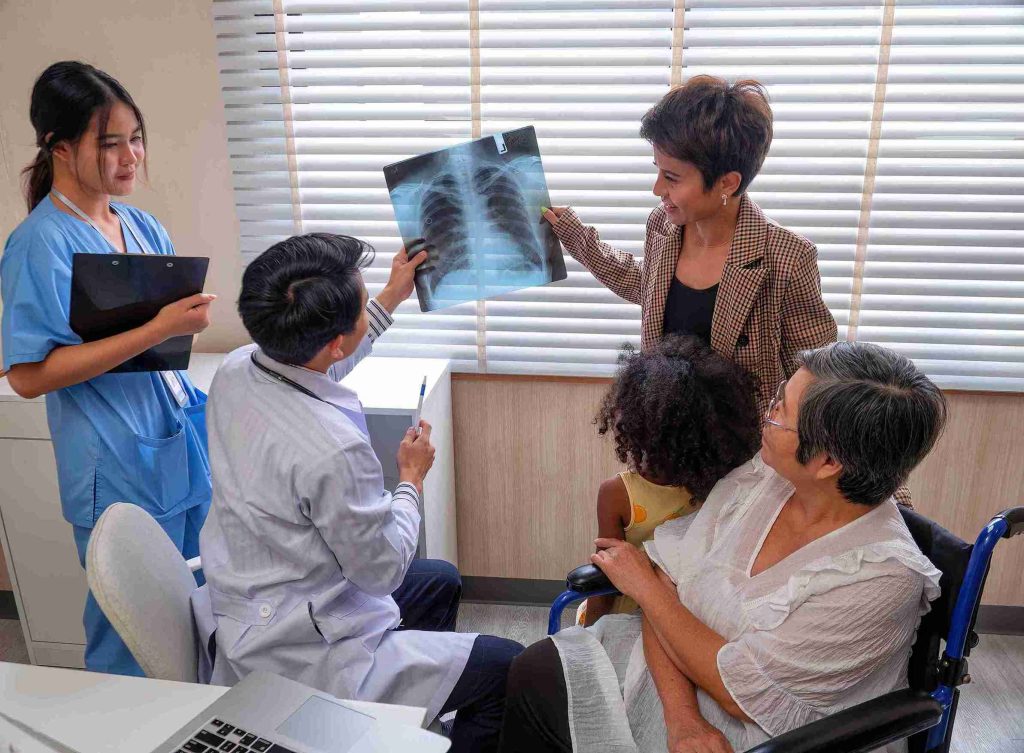
Chest X-rays are frequently included in routine screenings to assess lung health, detect infections, or identify structural abnormalities in the heart and lungs. They are quick, widely available, and involve minimal radiation exposure.
2. Abdominal Ultrasound
Ultrasound is commonly used to examine the liver, gallbladder, kidneys, and pancreas. It can detect fatty liver disease, gallstones, kidney abnormalities, and abdominal masses. Ultrasound is non-invasive, safe, and does not involve radiation.
3. CT Scan
CT scans offer detailed images of internal organs, making them useful for detecting tumors, aneurysms, or lung nodules. Due to higher radiation exposure, CT scans are typically recommended based on specific risk factors rather than as routine screening for all adults.
4. MRI
MRI provides high-resolution images of soft tissues, including the brain, spinal cord, and joints. It is valuable for detecting early neurological conditions, soft tissue injuries, and certain cancers. MRI is radiation-free but may be more expensive and time-consuming.
Risks and Considerations
While radiological tests are generally safe, there are some considerations:
- Radiation Exposure: X-rays and CT scans involve exposure to ionizing radiation. Excessive or unnecessary imaging should be avoided.
- False Positives: Imaging can sometimes detect anomalies that are not clinically significant, leading to further tests and anxiety.
- Cost: Advanced imaging, such as MRI and CT scans, can be costly if not covered by insurance or subsidized health packages.
- Claustrophobia and Discomfort: MRI scans require lying still in an enclosed space, which may cause discomfort for some individuals.
A reputable medical screening clinic will evaluate these factors and recommend imaging only when necessary, ensuring safety and cost-effectiveness.
Integrating Radiological Tests with Routine Screenings
Radiological tests should complement, not replace, routine health screenings. Blood tests, urinalysis, physical exams, and lifestyle assessments remain essential components of preventive care. Imaging is most effective when combined with:
- Blood pressure and cholesterol monitoring
- Diabetes screening
- Body mass index (BMI) and metabolic assessments
- Vaccination reviews and general health counseling
By integrating radiological tests with these evaluations, health checkup clinics provide a comprehensive approach to preventive medicine.
Preparing for Radiological Screening
Before undergoing radiological tests at a trusted health screening clinic, patients should:
- Provide Medical History: Include prior surgeries, chronic conditions, and current medications.
- Follow Instructions: Some tests require fasting or avoiding certain foods or drinks.
- Communicate Concerns: Discuss any allergies or contraindications, particularly for contrast-enhanced imaging.
- Plan Follow-up: Understand how results will be communicated and when follow-up is necessary.
Proper preparation ensures accurate results and a smooth experience during radiological screening.
Consulting Your Physician
Deciding whether to include radiological tests in routine screenings should involve a discussion with your healthcare provider. A qualified physician can:
- Evaluate your personal and family medical history
- Recommend age-appropriate and risk-specific imaging
- Minimize unnecessary tests and radiation exposure
- Interpret results accurately and provide appropriate guidance
A health screening clinic can facilitate these consultations, offering both medical expertise and advanced imaging technology under one roof.
Conclusion
Radiological tests can be a valuable component of comprehensive health screenings, particularly when conducted at a reputable health screening clinic. These tests help detect internal conditions early, guide preventive strategies, and support long-term health.
Not every individual requires all types of imaging; decisions should be personalized based on age, medical history, risk factors, and lifestyle. By combining radiological tests with routine screenings, patients gain a complete picture of their health, enhancing early detection and improving outcomes.
Ultimately, consulting a physician at a health screening clinic ensures that radiological tests are used appropriately, safely, and effectively. Making informed decisions about imaging empowers individuals to take proactive steps toward maintaining optimal health and preventing serious illnesses.
References
Newsinhealth.nih.gov. To Screen or Not to Screen?. https://newsinhealth.nih.gov/2017/03/screen-or-not-screen
Radiologyinfo.org. Are Screening Exams Worthwhile?. https://www.radiologyinfo.org/en/info/safety-hiw_05
Hopkinsmedicine.org. Routine Screenings. https://www.hopkinsmedicine.org/health/treatment-tests-and-therapies/routine-screenings