
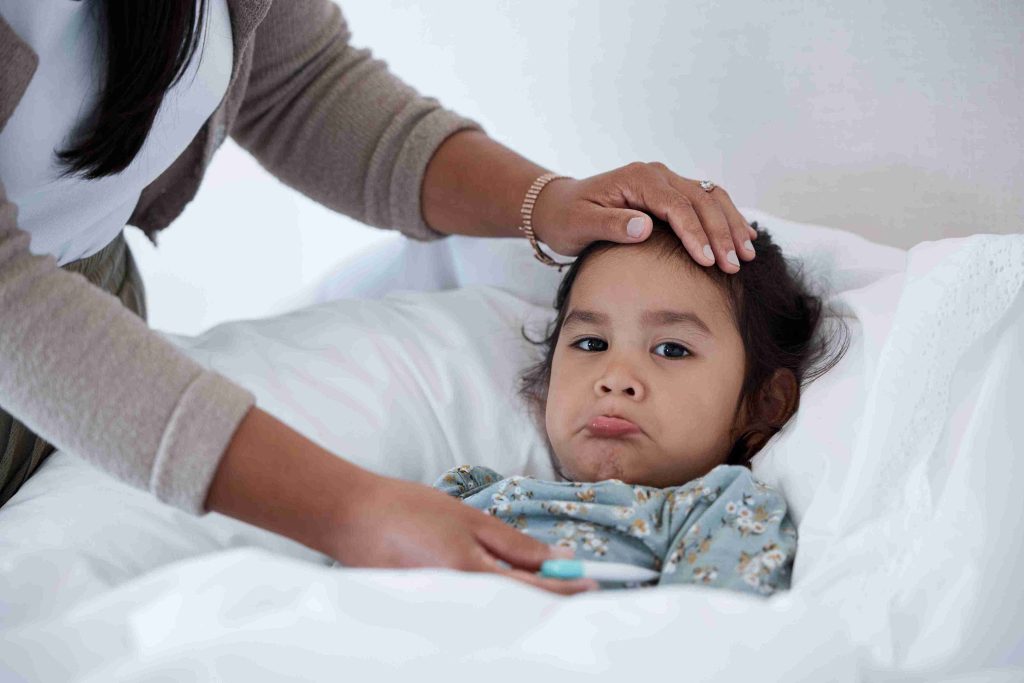
Key Takeaways
- Children’s fever is often one of the earliest signs of common contagious infections such as viral respiratory illnesses.
- Schools, daycare centers, and playgrounds increase exposure, making it easier for infections to spread among children.
- Many illnesses in children spread easily because young immune systems are still developing and children interact closely with others.
- Good hygiene, vaccination, and early care when a child’s fever appears can significantly reduce transmission and complications.
Children frequently experience infections as they grow, particularly during their early years when their immune systems are still learning to recognize and fight different pathogens. Parents often notice that illnesses seem to spread quickly among children in schools or daycare settings, leading to questions about whether childhood illnesses are more contagious than those affecting adults.
Children’s illnesses are often more contagious because children have developing immune systems, frequent close contact with others, and may not yet practice effective hygiene, which allows infections that cause symptoms like children’s fever to spread more easily.
Understanding why infections spread quickly among children—and how to manage them—can help parents, caregivers, and educators reduce transmission and protect children’s health.
Why Infections Spread Easily Among Children
Several factors contribute to the rapid spread of illnesses among children. These factors are related to biological development, social environments, and behavioral habits.
First, children have immune systems that are still developing. While adults may have already developed immunity to certain viruses through past infections or vaccinations, children encounter many pathogens for the first time. When the body detects these new pathogens, symptoms such as children’s fever may develop as part of the immune response.
Second, young children often have close physical interactions with peers. Activities such as playing, sharing toys, and sitting close together in classrooms create ideal conditions for viruses and bacteria to spread.
Finally, children may not consistently follow hygiene practices such as washing their hands, covering coughs, or avoiding touching their faces. As a result, pathogens can easily move from one child to another, often leading to infections accompanied by children’s fever.
Common Contagious Illnesses in Children
Many childhood illnesses are caused by viruses or bacteria that spread through respiratory droplets, physical contact, or contaminated surfaces. These infections frequently cause fever as the body responds to the invading pathogen.
Some of the most common illnesses associated with children’s fever include:
- Common cold
- Influenza (flu)
- Hand, foot, and mouth disease
- Respiratory syncytial virus (RSV) infection
- Strep throat
- Gastroenteritis
These illnesses are particularly common in environments where children gather in groups. When one child becomes ill, others may develop similar symptoms, including pediatric fever, within a few days.
How Fever Helps Fight Infection
Fever is a natural response that helps the body combat infections. When the immune system detects harmful microorganisms, it raises the body’s temperature to create an environment that is less favorable for the pathogens.
A children’s fever is therefore not an illness itself but a symptom indicating that the immune system is actively responding to infection.
Most fevers in children are caused by viral infections and resolve without complications. However, parents should monitor symptoms carefully to ensure that the children’s fever does not persist or worsen.
Table: Common Contagious Illnesses in Children
| Illness | Cause | Typical Symptoms | How It Spreads |
| Common Cold | Viral infection | Runny nose, cough, children fever | Respiratory droplets, surfaces |
| Influenza | Influenza virus | High fever, fatigue, body aches | Coughing, sneezing |
| Hand, Foot, and Mouth Disease | Enterovirus | Rash, mouth sores, children fever | Contact with saliva or stool |
| Strep Throat | Bacterial infection | Sore throat, difficulty swallowing, children fever | Respiratory droplets |
| Gastroenteritis | Viral or bacterial | Vomiting, diarrhea, mild children fever | Contaminated food or surfaces |
These illnesses often occur in clusters among children, particularly in schools or childcare centers.
Why Schools and Daycares Increase Transmission
Educational and childcare settings bring together large groups of children for extended periods. This close interaction makes it easier for pathogens to spread.
Children often share materials such as toys, books, and classroom equipment. If an infected child coughs or sneezes on these surfaces, other children may pick up the virus and develop symptoms such as children fever within a short period.
Additionally, younger children may have difficulty recognizing when they are becoming ill. They may continue participating in group activities even when symptoms begin to appear, increasing the likelihood of spreading infections associated with children’s fever.
When Should Parents Be Concerned About Fever?
Most cases of children fever are mild and resolve within a few days as the body clears the infection. However, parents should monitor their child closely and seek medical advice if certain warning signs appear.
Medical attention may be necessary if:
- Fever persists for more than several days
- The child experiences difficulty breathing
- The child becomes unusually lethargic or unresponsive
- A rash appears alongside the fever
- The child has severe dehydration symptoms
In infants and very young children, even a mild children’s fever may require medical evaluation because their immune systems are still developing.
Preventing the Spread of Childhood Illnesses
Although infections cannot always be avoided, several preventive measures can significantly reduce the spread of contagious illnesses among children.
One of the most effective strategies is proper hand hygiene. Encouraging children to wash their hands frequently with soap and water helps remove viruses and bacteria that may cause infections associated with children fever.
Vaccination is another important preventive measure. Routine childhood immunizations protect against several infectious diseases that can cause severe illness and fever.
Parents should also encourage children to cover their mouths when coughing or sneezing and to avoid sharing personal items such as drinking cups or utensils. When a child’s fever develops, keeping the child at home until symptoms improve can help prevent the illness from spreading to classmates or siblings.
Supporting Recovery at Home
When a child develops a fever due to infection, supportive care can help relieve discomfort and promote recovery. Parents can manage children fever at home by ensuring that the child:
- Drinks plenty of fluids to prevent dehydration
- Gets adequate rest
- Wears light clothing to avoid overheating
- Receives fever-reducing medication if recommended by a healthcare professional
Monitoring the child’s temperature and symptoms is also important. If the children’s fever does not improve or new symptoms appear, consulting a healthcare provider is recommended.
The Role of the Immune System in Childhood
Frequent infections during childhood may be frustrating for parents, but they also play an important role in immune development. Each time a child encounters a new pathogen, the immune system learns to recognize and respond to it more effectively in the future.
As children grow older, they typically develop stronger immunity to many common infections. This is why adults generally experience fewer illnesses compared to young children. Although a children’s fever may occur during these infections, most cases resolve without long-term health effects when properly managed.
Conclusion
Children’s illnesses often appear more contagious because young immune systems are still developing and children frequently interact closely with peers in schools and daycare environments. These factors make it easier for viruses and bacteria to spread, leading to common symptoms such as children fever.
While fever can be concerning for parents, it is usually a normal immune response that helps the body fight infection. Most childhood illnesses are mild and improve with rest, hydration, and supportive care.
By practicing good hygiene, keeping vaccinations up to date, and monitoring symptoms carefully, parents and caregivers can help reduce the spread of infections and ensure children recover safely. Understanding the causes and management of children fever allows families to respond confidently when illness occurs and protect the health of both children and their communities.
References
Texaschildrens.org. When Can My Child Be Around Other Kids After Being Sick?. https://www.texaschildrens.org/content/wellness/when-can-my-child-be-around-other-kids-after-being-sick
Dhs.wisconsin.gov. Childhood Communicable Diseases. https://www.dhs.wisconsin.gov/disease/childhood-communicable-diseases.htm
Kidshealth.org. When is an Illness Contagious?. https://kidshealth.org/en/parents/contagious-illnesses.html