Key Takeaways
- Children NCIS vaccinations should be administered according to the recommended schedule to provide timely protection against vaccine-preventable diseases.
- Parents should ensure their child’s vaccination records are accurately updated after each immunisation.
- Not every doctor provides the same childhood vaccination services, so it is important to check whether the clinic offers vaccines under Singapore’s National Childhood Immunisation Schedule (NCIS).
- If you are unsure where to receive your child’s vaccinations, speak with your healthcare provider or choose a clinic that routinely provides childhood immunisation services.
Vaccination is one of the most effective ways to protect children from serious infectious diseases. As parents prepare for their child’s immunisation appointments, one common question is whether any doctor can administer these vaccines or whether they need to visit a specific clinic.
In general, many licensed doctors can administer childhood vaccines. However, if your child is receiving vaccines under Singapore’s National Childhood Immunisation Schedule (NCIS), it is important to visit a clinic that offers and appropriately records children NCIS vaccinations according to national requirements.
Understanding how the vaccination process works can help ensure your child receives the recommended protection at the right time.
What Are Children NCIS Vaccinations?
Singapore’s National Childhood Immunisation Schedule (NCIS) outlines the recommended vaccines children should receive during infancy and childhood to help protect against serious infectious diseases.
The schedule is developed based on scientific evidence and public health recommendations, with vaccines administered at different ages to provide protection when children are most vulnerable. Children NCIS vaccinations cover diseases such as:
- Hepatitis B
- Diphtheria
- Tetanus
- Pertussis (whooping cough)
- Poliomyelitis
- Haemophilus influenzae type b (Hib)
- Pneumococcal disease
- Measles
- Mumps
- Rubella
- Human papillomavirus (HPV) for eligible individuals
Receiving these vaccinations according to the recommended schedule helps maximise their effectiveness.
Can Any Doctor Administer Childhood Vaccines?
Many registered medical doctors are trained to administer vaccines safely. However, not every clinic routinely stocks all childhood vaccines or participates in vaccination programmes linked to the national immunisation schedule. For this reason, parents should confirm that the clinic:
- Offers the required vaccines
- Follows the recommended childhood immunisation schedule
- Maintains appropriate vaccine storage and handling
- Updates vaccination records where applicable
If your child is receiving NCIS vaccinations for children, choosing a clinic that regularly provides these services helps ensure continuity of care and accurate documentation.
Why Does the Vaccination Schedule Matter?
Vaccines are carefully timed to provide protection when children are most likely to benefit.
Some vaccines require multiple doses, while others need booster vaccinations later in childhood to maintain immunity.
Delaying or missing scheduled vaccinations may leave children vulnerable to diseases that are otherwise preventable.
Following the recommended timetable for children NCIS vaccinations helps ensure your child’s immune system develops appropriate protection as they grow.
What Happens During a Vaccination Appointment?
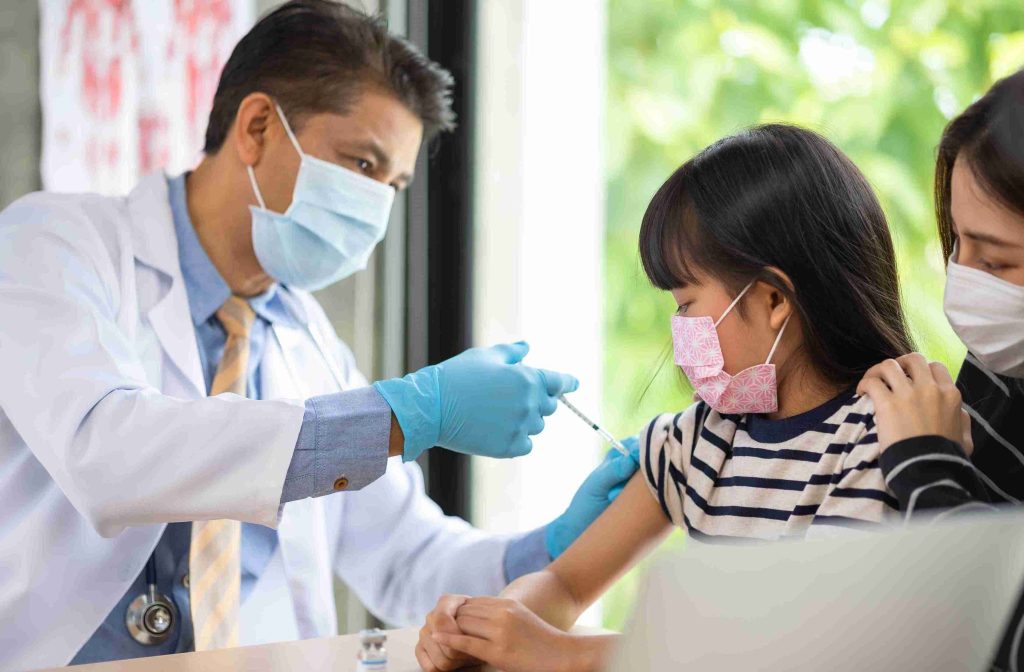
Most childhood vaccination appointments are straightforward and usually include several important steps. Your doctor will typically:
- Review your child’s medical history
- Check previous vaccination records
- Confirm which vaccines are due
- Perform a brief health assessment
- Discuss possible side effects
- Administer the vaccine
- Provide advice on aftercare
Parents are encouraged to ask questions if they have any concerns before the vaccine is given.
Common Vaccines Included in the NCIS
| Vaccine | Helps Protect Against |
| Hepatitis B | Hepatitis B infection |
| DTaP | Diphtheria, tetanus and pertussis |
| IPV | Poliomyelitis |
| Hib | Haemophilus influenzae type b infections |
| Pneumococcal Vaccine | Pneumococcal disease |
| MMR | Measles, mumps and rubella |
| HPV | Human papillomavirus infection (eligible individuals) |
Your child’s doctor will advise which vaccines are appropriate based on age and immunisation history.
Are Childhood Vaccines Safe?
Vaccines used within Singapore’s immunisation programme undergo rigorous evaluation before approval. Like all medicines, vaccines may cause side effects, but these are generally mild and temporary. Common reactions include:
- Mild fever
- Redness at the injection site
- Temporary swelling
- Fussiness
- Sleepiness
- Mild discomfort
Serious allergic reactions are rare, and healthcare providers are trained to recognise and manage them promptly should they occur. Parents receiving children NCIS immunizations will also receive information about what to expect after the appointment.
What If My Child Misses a Vaccine?
Sometimes vaccination appointments are delayed because of illness, travel, or other family commitments.
Missing a scheduled vaccine does not usually mean the entire vaccination series must be restarted.
Instead, your healthcare provider can recommend a catch-up schedule based on your child’s age and previous vaccinations.
If your child has missed any children NCIS vaccines, it is advisable to arrange an appointment as soon as possible to discuss the most appropriate next steps.
How Should I Prepare My Child for Vaccination?
Many parents wonder how they can help make vaccination appointments less stressful. Some practical tips include:
- Explaining the visit in simple, age-appropriate language
- Bringing along a favourite toy or comfort item
- Dressing your child in clothing that allows easy access to the injection site
- Remaining calm and reassuring throughout the appointment
- Offering praise and comfort after the vaccination
Older children may also benefit from knowing that the injection is usually very quick and helps protect them from serious illnesses.
What Happens After the Vaccination?
Most children can return to their usual activities shortly after receiving their vaccines. It is normal to monitor your child over the next day or two for mild side effects, such as:
- Slight redness or swelling where the injection was given
- Mild fever
- Temporary irritability
- Reduced appetite
- Sleepiness
These reactions are generally short-lived and resolve without complications.
After children NCIS vaccinations, your healthcare provider will also advise you on when to seek medical attention if your child develops symptoms that are unexpected or persistent.
Why Are Accurate Vaccination Records Important?
Keeping an up-to-date vaccination record helps ensure your child receives all recommended immunisations at the appropriate ages. Accurate records can also be useful when:
- Enrolling in childcare or school
- Attending specialist medical appointments
- Travelling overseas
- Reviewing future vaccination needs
Clinics that routinely provide NCIS vaccinations for kids help ensure immunisation records are properly documented according to applicable national requirements.
What If My Child Has a Medical Condition?
Some children have medical conditions that require additional consideration before vaccination. These may include:
- Certain immune system disorders
- Previous severe allergic reactions to a vaccine component
- Ongoing cancer treatment
- Specific neurological conditions
In these situations, your healthcare provider will assess your child’s medical history and recommend the most appropriate vaccination plan. Most children with chronic medical conditions can still receive many routine vaccines, although the timing or type of vaccine may occasionally need adjustment.
Can My Child Receive Multiple Vaccines During One Visit?
Yes. It is common for children to receive more than one vaccine during the same appointment when recommended under the immunisation schedule.
Receiving multiple vaccines together has been carefully studied and is considered safe for most children. It also helps reduce the number of clinic visits while ensuring children remain protected on schedule.
If your child is due for several children NCIS vaccinations in Singapore, your doctor will explain which vaccines are recommended and answer any questions you may have.
When Should Parents Speak to a Doctor?
Parents should seek medical advice if:
- They are unsure whether their child’s vaccinations are up to date.
- A scheduled vaccination has been missed.
- Their child has developed a medical condition that may affect vaccination.
- They have concerns about previous vaccine reactions.
- They need advice before overseas travel.
A healthcare provider can review your child’s immunisation history and recommend any catch-up vaccinations if necessary.
Supporting Your Child’s Long-Term Health
Vaccination is only one aspect of preventive healthcare. Supporting your child’s health also involves:
- Attending regular health check-ups
- Encouraging a balanced diet
- Promoting good sleep habits
- Encouraging regular physical activity
- Teaching good hand hygiene
- Seeking prompt medical care when your child is unwell
These healthy habits work alongside NCIS childhood immunizations to support your child’s growth, development, and overall wellbeing.
Conclusion
Many licensed doctors are qualified to administer childhood vaccines. However, if your child is receiving children NCIS vaccinations, it is important to choose a clinic that routinely provides these vaccines, follows the recommended immunisation schedule, and maintains accurate vaccination records where applicable.
Staying on schedule with childhood immunisations helps protect children against a range of serious infectious diseases during their most vulnerable years. If a vaccination has been delayed or you are unsure what your child needs next, a healthcare provider can review their immunisation history and recommend an appropriate catch-up plan.
By working closely with your doctor and keeping accurate vaccination records, you can help ensure your child receives timely protection and continues to benefit from Singapore’s National Childhood Immunisation Schedule.
References
Immunize.org. Ask the Experts. https://www.immunize.org/ask-experts/topic/admin-vaccines/
Cdc.gov. Vaccine Administration: During Vaccination. https://www.cdc.gov/vaccines/hcp/administration/during.html
https://my.clevelandclinic.org. Childhood Vaccine Schedule. https://my.clevelandclinic.org/health/articles/11288-childhood-immunization-schedule