Key Takeaways
- Children NCIS vaccinations are designed to protect against serious infectious diseases and are most effective when given according to the recommended schedule.
- Understanding which symptoms warrant delaying vaccinations helps maintain both the safety and effectiveness of children NCIS vaccinations.
- In most cases, children with mild illnesses such as colds or low-grade fevers can still receive children NCIS vaccinations, but moderate to severe illness may require rescheduling.
- Caregivers should consult healthcare providers to assess their child’s health before immunization to avoid complications or reduced vaccine efficacy.
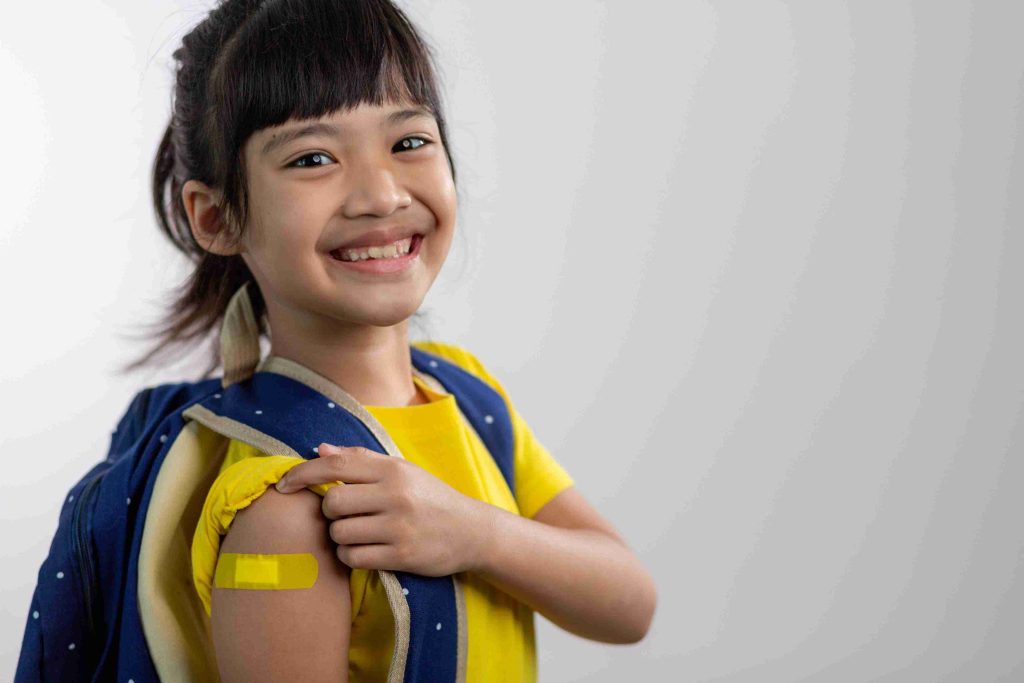
Parents often worry whether their child should receive vaccines when feeling unwell. The question arises frequently: “Can my child have children NCIS vaccinations if they are sick?” The answer is that mild illnesses usually do not prevent vaccinations, so children NCIS vaccinations can generally proceed as scheduled, but moderate or severe sickness may require postponement. Proper assessment ensures both safety and optimal immune response.
Vaccination schedules under the NCIS (National Childhood Immunization Schedule) are carefully designed to protect children from diseases such as measles, polio, and diphtheria. Timely administration is crucial for the effectiveness of these vaccines. Delaying vaccinations unnecessarily can leave children vulnerable to preventable illnesses.
Why Vaccination Matters
Children’s NCIS vaccinations are a cornerstone of public health. They:
- Protect children from serious infectious diseases.
- Reduce the risk of disease outbreaks in schools and communities.
- Help maintain herd immunity.
- Minimize long-term complications from preventable diseases.
Adherence to the NCIS ensures that children are protected during the most vulnerable periods of early development.
Mild Illness vs. Severe Illness
Mild Illnesses
Common colds, low-grade fevers (below 38°C / 100.4°F), mild coughs, or minor diarrhea typically do not require delaying children NCIS vaccinations. Mild symptoms usually do not interfere with the immune response or increase the risk of serious vaccine reactions.
Moderate to Severe Illnesses
Vaccination may be postponed if a child has:
- High fever (≥38°C / 100.4°F)
- Significant lethargy or fatigue
- Severe vomiting or diarrhea
- Active infections requiring medical treatment
- Hospitalization for an acute condition
Postponing ensures that children NCIS vaccinations are safe and effective and prevents confusion between illness symptoms and potential vaccine reactions.
Table: Guidelines for Children NCIS Vaccinations During Illness
| Illness Severity | Symptoms | Vaccination Recommendation |
| Mild | Low-grade fever, runny nose, mild cough, mild diarrhea | Vaccinate as scheduled |
| Moderate | Fever ≥38°C, vomiting, moderate diarrhea, fatigue | Consider postponing; consult clinician |
| Severe | Hospitalization, severe infection, unstable condition | Delay until recovery |
| Chronic Conditions | Well-controlled asthma, diabetes | Usually safe; confirm with clinician |
This table provides a simple reference for parents evaluating whether their child can safely receive children NCIS vaccinations.
Common Myths About Vaccination During Illness
Myth 1: Any Illness Prevents Vaccination
Mild illnesses do not prevent NCIS childhood vaccinations. Delaying unnecessarily can leave a child unprotected.
Myth 2: Fever Always Requires Rescheduling
Only high or moderate fevers indicate that vaccination should be postponed. Mild fevers alone are usually not a contraindication.
Myth 3: Vaccines Can Make Sick Children Worse
Vaccines are generally safe even during mild illness. The risk of worsening symptoms is very low. Understanding these myths helps parents make informed decisions and ensures children NCIS immunizations remain on schedule.
Preparing Your Child for Vaccination
Parents can take practical steps to ensure a smooth vaccination process:
- Monitor symptoms: Track fever, cough, or other signs of illness in the days leading up to the vaccination appointment.
- Consult a healthcare provider: Share any concerns about illness severity or pre-existing conditions.
- Ensure hydration and nutrition: Well-hydrated, well-fed children generally tolerate vaccination better.
- Schedule follow-up: Arrange for monitoring post-vaccination, especially if the child was mildly unwell.
By taking these steps, parents can safely administer children NCIS vaccinations while minimizing discomfort or complications.
Special Considerations
Children with Chronic Conditions
Children with well-controlled chronic illnesses such as asthma, diabetes, or mild heart conditions can usually receive children NCIS vaccinations. Clinicians may tailor the vaccination plan to optimize safety and immune response.
Children Undergoing Treatment
For children receiving immunosuppressive therapy, chemotherapy, or corticosteroids, vaccination timing may need adjustment. In these cases, consulting a healthcare provider is critical before proceeding with children’s NCIS vaccinations.
Previous Reactions to Vaccines
Children who have had severe allergic reactions to prior doses or components of a vaccine should be evaluated carefully before the next dose. However, mild reactions (e.g., low-grade fever or redness at the injection site) do not usually contraindicate future children NCIS vaccinations.
What to Expect During and After Vaccination
Even if a child is mildly ill, healthcare providers will monitor the child during vaccination. Typical responses to children NCIS vaccinations include:
- Soreness at the injection site
- Mild fever
- Irritability or fatigue
- Short-term rash (for some vaccines)
These reactions are usually mild and resolve within a few days. Severe reactions are rare but are treated immediately by healthcare professionals.
Benefits of Timely Children NCIS Vaccinations
- Prevention of Serious Disease: Timely vaccination protects against measles, pertussis, polio, and other potentially life-threatening infections.
- Community Protection: Ensures herd immunity, reducing disease spread in schools and neighborhoods.
- Reduced Complications: Catching up on missed doses after illness prevents gaps in protection.
- Peace of Mind for Parents: Knowing your child is protected against multiple diseases reduces anxiety.
By following NCIS schedules and appropriately evaluating illness, parents maximize these benefits.
When to Call a Healthcare Provider
Parents should seek medical advice before children NCIS vaccinations if:
- The child has a high fever or is lethargic.
- There is uncertain illness severity or sudden symptom onset.
- The child has a known allergy to a vaccine component.
- There are pre-existing medical conditions that may affect immune response.
Prompt consultation ensures children NCIS vaccinations remain safe and effective.
Conclusion
Children with mild illnesses can usually receive children NCIS vaccinations, but moderate or severe sickness may require postponement. Vaccination is a critical preventive health measure, and timely administration helps protect children from serious diseases.
Parents should monitor symptoms, consult healthcare providers when uncertain, and maintain the recommended NCIS schedule to ensure optimal protection. By understanding when and how illness affects children NCIS vaccinations, parents can confidently make decisions that protect their child’s health and support community immunity.
References
Ministry of Health Singapore. National Childhood and Adolescent Immunisation. https://www.moh.gov.sg/newsroom/national-childhood-and-adolescent-immunisation
Communicable Diseases Agency (Singapore). Vaccinations (National Childhood Immunisation Schedule). https://www.cda.gov.sg/public/vaccinations
HealthHub Singapore. All You Need to Know About Childhood Immunisations. https://www.healthhub.sg/well-being-and-lifestyle/personal-care/all-you-need-to-know-about-vaccinations
HealthHub Singapore. Immunisation: Inject to Protect (baby immunisation guidance). https://www.healthhub.sg/well-being-and-lifestyle/pregnancy-and-infant-health/baby-immunisation-inject-to-protect