
Key Takeaways
- HFMD (Hand, Foot, and Mouth Disease) is common in children due to immature immune systems and frequent contact in group settings.
- Children fever is often an early symptom, usually accompanied by mouth sores and rashes on hands and feet.
- The disease spreads easily through close contact, contaminated surfaces, and respiratory droplets.
- Good hygiene, early recognition of children’s fever, and timely medical care help prevent severe complications and outbreaks.
Why is HFMD so prevalent in children?
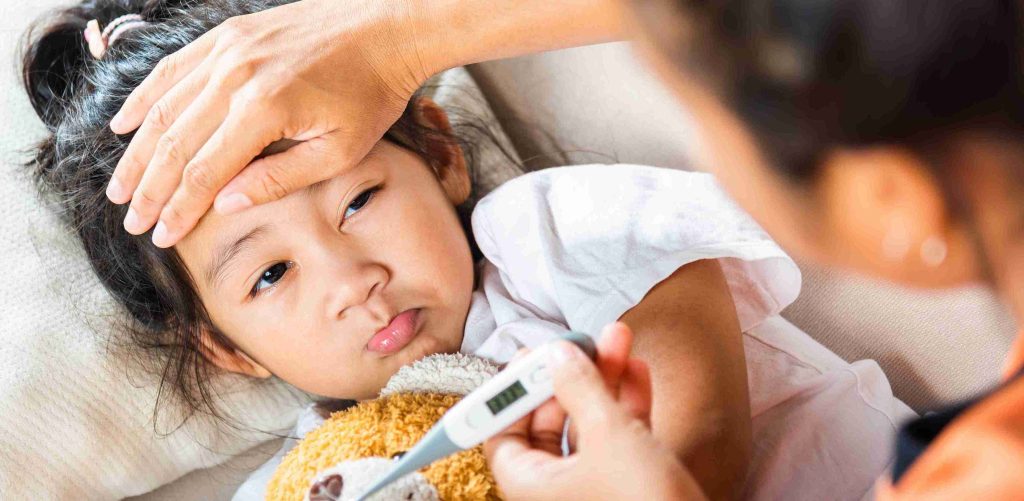
HFMD is particularly common in children because their immune systems are still developing, making them more susceptible to viral infections. Early symptoms often include children fever, which serves as an initial warning sign for caregivers. Fever is usually mild to moderate but signals that the child’s body is fighting the virus.
Recognizing children’s fever early allows parents to monitor the child more closely for additional HFMD symptoms such as mouth ulcers and rash.
HFMD is caused mainly by coxsackievirus A16 and enterovirus 71. These viruses are highly contagious and spread rapidly in environments where children interact closely, such as daycare centers, preschools, and playgrounds. Children’s hand-to-mouth behavior and limited understanding of hygiene contribute to higher transmission rates.
How HFMD Spreads
HFMD spreads through:
- Saliva, nasal secretions, or sputum from an infected child
- Fluid from blisters or rash areas
- Fecal matter, especially when diaper hygiene is inadequate
- Contaminated toys, utensils, and surfaces
Because young children frequently touch objects and put them in their mouths, the virus spreads quickly in group settings. Monitoring pediatric fever and early symptoms helps caregivers take immediate measures, including isolating the sick child and disinfecting frequently touched surfaces.
Symptoms of HFMD
Symptoms usually appear 3–7 days after exposure. The most common signs include:
- Fever in children ranging from mild to moderate (37.5°C–39°C)
- Sore throat
- Painful mouth ulcers or blisters
- Rash or red spots on hands, feet, and sometimes buttocks
- Reduced appetite, irritability, and fatigue
Fever in kids often appears first and may last 1–3 days. Early recognition of fever allows caregivers to provide supportive care, prevent dehydration, and reduce the risk of the virus spreading to other children.
Table: Typical Timeline of HFMD Symptoms
| Day of Illness | Common Symptoms | Notes |
| 1–2 | Children fever, sore throat | First signs; fever may be mild or moderate |
| 2–3 | Mouth ulcers, blisters | Painful; may affect eating and drinking |
| 3–5 | Rash on hands, feet, buttocks | Can be itchy or uncomfortable |
| 5–7 | Fever subsides | Rash may persist longer |
| 7–10 | Recovery | Most children recover fully with supportive care |
Why Children Are More Susceptible
Several factors contribute to higher HFMD prevalence among children:
- Immature Immune System: Young children have not yet built immunity against many common viruses, including coxsackievirus. This makes them more likely to contract HFMD and exhibit early symptoms like persistent children’s fever.
- High Contact in Group Settings: Playgroups, preschools, and daycare centers facilitate close contact, enabling rapid virus transmission.
- Hygiene Practices: Children often touch their mouths or share toys, increasing exposure. Inadequate handwashing and poor surface cleaning further contribute to outbreaks.
- Frequent Outbreaks: HFMD spreads quickly once introduced to a classroom or playgroup. Early signs, particularly a kid’s fever, help identify cases before the virus infects more children.
Complications to Watch For
While HFMD is usually mild, some cases may lead to complications. Caregivers should monitor for:
- Persistent or high fever in children
- Dehydration due to difficulty eating or drinking because of mouth ulcers
- Rare neurological complications, especially with enterovirus 71, which can lead to meningitis or encephalitis
Timely attention to children fever and other symptoms helps reduce the risk of complications and ensures prompt supportive care.
Managing HFMD at Home
Most HFMD cases can be managed safely at home. Recommended steps include:
- Monitor children fever regularly
- Encourage adequate fluid intake to prevent dehydration
- Offer soft, bland foods if mouth sores cause pain
- Ensure rest and comfort
- Maintain hygiene, including handwashing and disinfecting toys and surfaces
Medication may be used to manage children’s fever or relieve pain, but antibiotics are ineffective, as HFMD is caused by viruses.
Prevention Strategies
Preventing HFMD focuses on limiting virus exposure and transmission:
- Hand Hygiene: Wash hands frequently, especially after diaper changes, bathroom use, or before meals.
- Clean Surfaces and Toys: Regularly disinfect frequently touched objects to reduce the virus’s spread.
- Avoid Contact During Illness: Children with children fever or visible HFMD symptoms should stay home until fully recovered.
- Educate Caregivers and Teachers: Awareness of early symptoms, including children fever, enables early detection and prevents outbreaks in schools and daycare centers.
When to Seek Medical Care
Contact a healthcare provider if your child shows:
- High or persistent pediatric fever (>39°C)
- Signs of dehydration, such as reduced urination or dry mouth
- Severe mouth ulcers that prevent eating or drinking
- Neurological symptoms, such as unusual sleepiness, seizures, or persistent vomiting
Early medical intervention ensures complications are minimized and provides guidance on safe home care.
Public Health Considerations
HFMD outbreaks are common in areas with high concentrations of children. Public health authorities may recommend:
- Reporting cases to local health departments
- Temporary closures of childcare centers during multiple infections
- Educating staff and parents about hygiene practices and monitoring children fever
Such measures help limit the virus’s spread and protect vulnerable children.
Understanding the Link Between Fever and HFMD
Children’s fever is a key symptom of HFMD. Fever is the body’s natural response to infection, helping fight the virus. Monitoring fever allows parents to gauge disease progression and determine when supportive care or medical attention is necessary. While most HFMD fevers are mild, persistent or high fever may indicate complications.
Conclusion
HFMD is common in children due to immature immune systems, close contact in group settings, and exposure to contagious viruses. Children’s fever is often the earliest symptom and should be monitored closely. While most cases are mild and resolve within 7–10 days, caregivers must maintain good hygiene, monitor fever, provide supportive care, and seek medical attention when necessary.
Early recognition of children fever, proper home care, and preventive measures in schools and daycare centers help manage HFMD effectively, reducing the risk of outbreaks and severe complications.
References
Cdc.gov. About Hand, Foot, and Mouth Disease. https://www.cdc.gov/hand-foot-mouth/about/index.html
Kidshealth.org. Hand, Foot, and Mouth Disease. https://kidshealth.org/en/parents/hfm.html
Healthychildren.org. Hand, Foot, and Mouth Disease: Symptoms, Treatment & Prevention. https://www.healthychildren.org/English/health-issues/conditions/infections/Pages/Hand-Foot-and-Mouth-Disease.aspx