Key Takeaways
- Pregnancy testing is a routine part of a medical check up for work permit because it ensures that female applicants receive appropriate health screening and protection from potential occupational risks.
- A positive pregnancy test can influence job placement, exposure limitations, and workplace safety measures during a medical check up for work permit evaluation.
- Pregnancy tests help prevent fetal exposure to radiation, chemical hazards, and strenuous tasks that may occur in certain work settings.
- Understanding why pregnancy testing is required empowers women to make informed decisions and prepare for the health assessment during a medical check up for work permit.
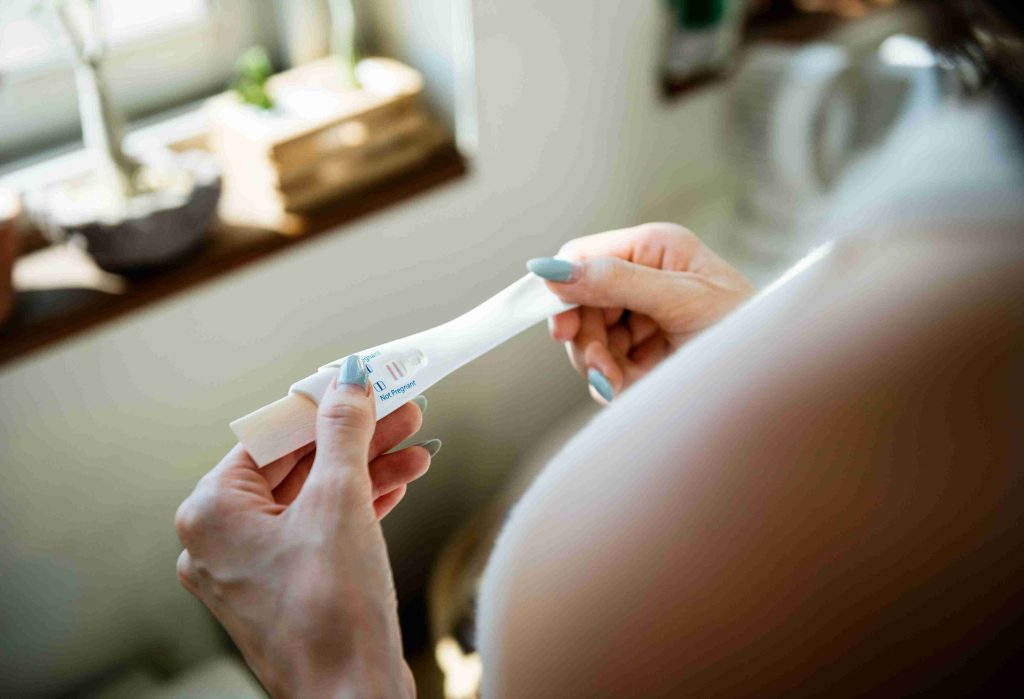
Many women are surprised when a pregnancy test is included during a medical check up for work permit. While it may feel personal, the test serves important medical and legal purposes. Employers and regulatory bodies aim to ensure that women—especially those who may be newly or unknowingly pregnant—are not placed in work environments that could harm them or a developing fetus. This article explains the medical reasons, safety considerations, and workplace implications behind pregnancy testing as part of a medical check up for work permit.
Why Pregnancy Testing Is Included in Work Permit Health Assessments
1. To Protect Women From Occupational Hazards
One of the primary reasons pregnancy testing is required during a medical check up for work permit is to identify whether a woman might be exposed to workplace hazards that could harm a pregnancy.
Some jobs involve chemicals, heavy lifting, radiation, extreme temperatures, or prolonged physical strain. Early pregnancy is a vulnerable period, often before a woman even realizes she is pregnant.
Detecting pregnancy early ensures that work tasks can be modified, exposure to harmful substances is minimized, and medical guidance is aligned with occupational demands. During a medical check up for work permit, physicians must evaluate whether the job environment is compatible with the applicant’s health condition, including potential pregnancy.
2. To Prevent Fetal Exposure to Harmful Substances
A developing fetus is highly sensitive to toxins and environmental exposures, especially in the first trimester. Without testing, a woman might unknowingly perform tasks that pose risks. A pregnancy test during a medical check up for work permit helps prevent fetal exposure to ionizing radiation, industrial solvents, cleaning agents with strong chemicals, pesticides, and heavy metals such as mercury or lead.
Certain occupations—including manufacturing, laboratory work, caregiving, and construction—may involve such hazards. Knowing pregnancy status allows healthcare professionals to recommend safer alternatives.
3. To Ensure Women Receive Appropriate Medical Advice
Pregnancy affects physical capacity, immune function, and overall health. During a work permit medical check up, women who test positive can receive guidance about occupational safety, travel limitations, vaccinations, nutrition, and physical activity. This ensures both maternal and fetal well-being as the woman prepares for work, particularly if the job involves new environmental exposures or physically demanding tasks.
4. To Maintain Compliance With Workplace Health Regulations
In many countries, pregnancy testing is included in a medical examination for work permit to comply with labor, health, and safety regulations. Some industries legally require pregnancy disclosure because of the potential risks involved.
Jobs using X-ray equipment, handling toxic chemicals, working at heights, performing heavy physical labor, or being exposed to infectious agents may necessitate special precautions. Health authorities include pregnancy testing to ensure workplace safety standards are met.
5. To Avoid Medical Complications During Employment
A woman with an undiagnosed pregnancy may face health risks if she begins a job requiring intense physical effort or exposure to harsh environmental conditions. These can include prolonged standing, heavy lifting, heat exposure, irregular sleep schedules, or high-stress environments.
Conducting a pregnancy test during a work permit health check ensures that complications are avoided and that protective measures can be recommended. Some women may require temporary work modifications or adjusted duties to protect maternal health.
Is Pregnancy Testing Mandatory in All Work Permit Examinations?
Pregnancy testing requirements vary by country and industry. Not all employers or regions require it, but many industries with moderate to high occupational risks include pregnancy testing as a standard part of the medical test for work permit. Clinics may also include the test routinely for women of reproductive age as a proactive safety measure. The intent is not discrimination but rather protection and preparedness.
Privacy, Consent, and Ethical Considerations
Many women are concerned about the privacy of their pregnancy test results. Ethical and medical guidelines ensure that results remain confidential and are shared only with healthcare professionals conducting the medical check up for work permit.
Employers typically receive only a fitness-for-work statement, not detailed medical results. Applicants may ask how the results will be used and whether the test is legally required. If a woman is uncomfortable, she can inquire about optionality, depending on local laws and workplace regulations.
What Happens if the Pregnancy Test Is Positive?
A positive test during a medical check up for work permit does not automatically disqualify a woman from working. Instead, it helps guide safer job placement and may result in temporary restrictions or adjusted duties. For overseas employment, some countries may delay deployment to protect maternal and fetal health. The primary goal is safety rather than exclusion.
Preparing for Your Work Permit Medical Examination
Women can prepare for their medical check up for work permit by understanding the required tests, asking about the purpose of each test, providing medical history, and clarifying how pregnancy results will be managed. Being informed helps reduce anxiety and ensures a smoother assessment process.
Conclusion
Pregnancy testing during a medical check up for work permit protects the health of female workers and any potential pregnancy. The screening ensures appropriate job placement, occupational safety, and compliance with health regulations. While it may feel personal, the test ultimately serves a critical purpose: safeguarding maternal health and workplace safety.
References
Mom.gov.sg. Six-Monthly Medical Examination (6ME) for Female Migrant Workers. https://www.mom.gov.sg/passes-and-permits/work-permit-for-foreign-worker/sector-specific-rules/six-monthly-medical-examination
Keystonemedical.com.sg. Are There Differences In Work Permit Checks Between Males and Females?. https://keystonemedical.com.sg/are-there-differences-in-work-permit-checks-between-males-and-females/
Sma.org.sg. Maids Employment Medical Examination. https://sma.org.sg/sma_news/3403/sma_advisory_022002.pdf