Key Takeaways
- Small veins can make blood collection challenging, but trained professionals at a health screening clinic can use techniques to ensure accurate sampling.
- Alternative methods such as smaller needles, warming the skin, or using hand veins can improve the success of blood draws.
- Persistent difficulty in drawing blood does not usually indicate a serious health problem, but it may require documentation and careful monitoring at a health screening clinic.
- Choosing a reputable health screening clinic with experienced phlebotomists can reduce discomfort, prevent complications, and ensure timely test results.
Understanding Small Veins and Blood Collection
Blood tests are a routine part of medical assessments, often conducted at a health screening clinic. They provide crucial information about your overall health, including liver function, kidney function, cholesterol levels, and blood sugar. However, some patients have veins that are difficult to access due to size, depth, or fragility.
Small veins, sometimes called “difficult veins,” may cause repeated attempts to draw blood, bruising, or discomfort. Factors contributing to small or hard-to-find veins include:
- Genetics: Naturally smaller veins
- Age: Veins can become less prominent with age
- Hydration: Dehydrated veins are harder to puncture
- Body composition: Low body fat may make veins less visible
- Medical conditions: Frequent hospitalizations or chronic illnesses may affect vein accessibility
A reputable health screening clinic has strategies and trained staff to manage these challenges safely and effectively.
Techniques Used at a Health Screening Clinic
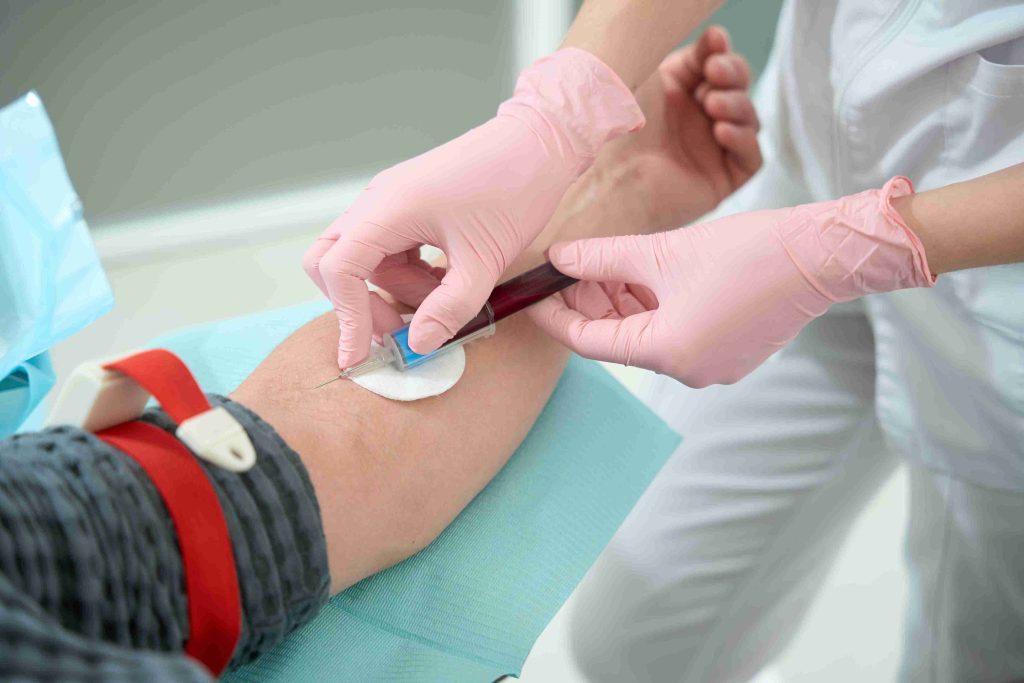
Phlebotomists at a health screening clinic are skilled in handling difficult veins. Common techniques include:
- Using a smaller needle: Reduces trauma to small veins
- Applying heat or massage: Warming the skin can dilate veins for easier access
- Using veins in the hand or wrist: Alternative sites can sometimes be more accessible than the inner elbow
- Adjusting arm position: Raising or lowering the arm can make veins more prominent
These techniques help ensure that the blood draw is successful while minimizing discomfort or bruising.
What Happens If Blood Cannot Be Drawn
Even with these techniques, some patients may have veins that are extremely difficult to access. If a health screening clinic is unable to draw blood after multiple attempts, staff may:
- Document the difficulty for your medical records
- Schedule another appointment for blood collection
- Recommend alternative testing methods, such as capillary blood from a finger prick for certain tests
It is important to communicate any history of difficult blood draws to the health screening clinic before your appointment. This allows staff to prepare appropriate tools and strategies to increase success.
Safety Considerations
Repeated attempts to draw blood from small veins can sometimes cause:
- Bruising or hematoma
- Discomfort or pain at the puncture site
- Temporary swelling
Experienced phlebotomists at a trusted health screening clinic know how to minimize these risks. They monitor the patient closely, use sterile techniques, and may apply pressure or bandaging to prevent complications.
Preparing for a Blood Draw
Preparation can improve the chances of a successful blood draw at a health check-up clinic:
- Stay hydrated: Drink water before your appointment to make veins more prominent
- Relax the arm: Tension can make veins harder to access
- Avoid caffeine and smoking: These can constrict veins
- Inform staff about previous difficulties: Previous experiences can guide the phlebotomist in technique choice
Proper preparation helps reduce discomfort and ensures that test results are obtained efficiently.
Alternative Blood Collection Methods
For patients with consistently small veins, a medical screening clinic may recommend:
- Butterfly needles: Flexible needles designed for small or fragile veins
- Capillary sampling: Finger or heel pricks for minimal blood tests
- Vein visualization devices: Infrared technology can highlight veins for easier access
These alternatives ensure that necessary blood tests can still be completed without repeated trauma.
When to Seek Medical Advice
Difficulty drawing blood is usually not dangerous, but in some cases, it may indicate an underlying issue if accompanied by other symptoms. Consult your doctor or a health assessment clinic if you notice:
- Frequent bruising or bleeding
- Swelling in the extremities
- Persistent vein collapse during routine blood draws
- Other unexplained health changes
Medical evaluation ensures that any potential underlying problems are addressed and that your blood tests remain accurate.
Benefits of Choosing a Skilled Health Screening Clinic
A reputable health screening clinic provides several advantages for patients with difficult veins:
- Experienced phlebotomists trained in managing small veins
- Specialized equipment and alternative techniques
- Comprehensive documentation for ongoing care
- Efficient scheduling to minimize repeat visits
These factors help patients complete necessary blood tests with minimal discomfort and stress.
Tips for Patients with Difficult Veins
Patients with small or difficult veins can take proactive steps:
- Keep a record of previous successful and unsuccessful blood draws
- Choose a clinic with experienced staff and positive reviews
- Schedule appointments at times when veins may be more accessible (morning or after hydration)
- Wear loose clothing to allow easy access to the arm or hand
By following these tips and informing the health screening clinic in advance, patients increase the likelihood of a successful blood draw.
Conclusion
Small or difficult veins can make blood draws challenging, but with the expertise available at a health screening clinic, these challenges can usually be managed effectively. Techniques such as smaller needles, warming, hand vein access, and alternative collection methods help ensure that blood tests are completed safely and efficiently.
Even if blood collection is initially difficult, patients should remain calm and communicate their history with the clinic. Persistent vein issues rarely indicate serious problems, but careful management ensures accurate test results and reduces discomfort. Choosing a skilled health screening clinic ensures that your blood tests are conducted professionally, minimizing complications and supporting overall health monitoring.
By understanding the strategies used for patients with small veins and preparing appropriately, you can have a smoother and less stressful experience while maintaining the benefits of routine blood tests and health screenings. A professional health screening clinic is an essential partner in ensuring your health assessments are accurate and comfortable.
References
Ncbi.nlm.nih.gov. Best Practices in Phlebotomy. https://www.ncbi.nlm.nih.gov/books/NBK138665/
Monteshcc.com. When It’s Difficult to Draw Blood: Tips from Phlebotomists. https://monteshcc.com/when-its-difficult-to-draw-blood-tips-from-phlebotomists/
Precisionlabtesting.com. Solving the Mystery: Needle in Vein, No Blood Drawn. https://precisionlabtesting.com/2024/08/30/solving-the-mystery-needle-in-vein-no-blood-drawn/