Key Takeaways
- A paediatrician is not always required for routine childhood vaccinations; eligible children can receive nationally recommended vaccines through approved healthcare settings, including CHAS GP clinics and polyclinics.
- A paediatrician can be especially helpful when a child has complex medical needs, previous vaccine reactions, allergies, or questions about an individualised schedule.
- Keeping vaccinations on schedule is important because the National Childhood Immunisation Schedule (NCIS) is designed to protect children at specific stages of development.
- Parents should bring the child’s vaccination records and tell the healthcare professional about previous reactions, illnesses, medications, or medical conditions before vaccination.
Understanding Who Can Vaccinate Your Child
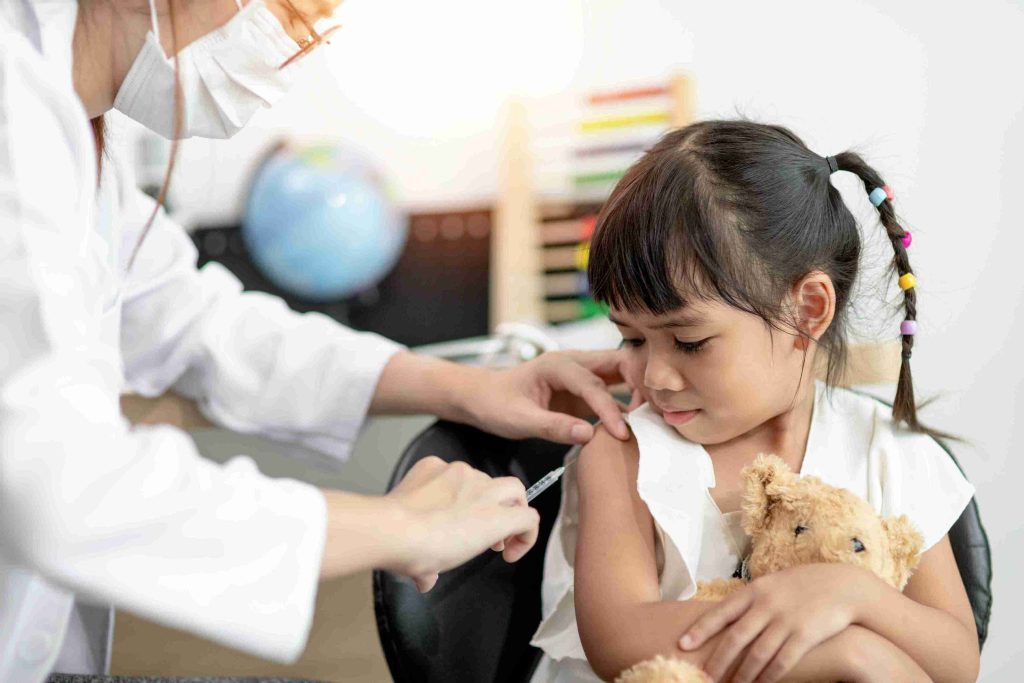
Parents may assume that every vaccine must be administered by a paediatrician. However, routine immunisation does not necessarily require a specialist appointment. In Singapore, nationally recommended childhood vaccinations are provided through healthcare institutions such as polyclinics and eligible CHAS GP clinics. This means families have options when arranging children NCIS vaccinations, depending on their child’s needs, eligibility, and preferred healthcare setting.
The healthcare provider should be appropriately qualified, and the vaccination should be given in a suitable clinical setting, following the recommended schedule and proper vaccination procedures. For routine children NCIS vaccinations, this can make primary care a practical choice for many families.
What Is the NCIS?
The National Childhood Immunisation Schedule is Singapore’s recommended framework for protecting children against important vaccine-preventable diseases. It outlines vaccines and timing from birth through childhood and adolescence.
The children NCIS vaccinations schedule includes vaccinations against conditions such as tuberculosis, hepatitis B, diphtheria, tetanus, pertussis, poliomyelitis, Haemophilus influenzae type b, pneumococcal disease, measles, mumps, rubella, varicella, and human papillomavirus at the relevant ages.
MOH reviews the national schedules with expert advice and considers factors including disease burden, vaccine safety, clinical effectiveness, and cost effectiveness. Parents arranging NCIS vaccinations for children should therefore use the current official schedule rather than relying on an old vaccination card, online post, or advice from another country.
Does My Child Need to See a Paediatrician?
For most healthy children, no. A paediatrician specialises in the health and medical care of infants, children, and adolescents, but routine vaccination can be provided in primary care when appropriate. For childhood NCIS vaccinations, the more important issue is whether the child has been assessed appropriately and whether the correct vaccine, dose, timing, and precautions are followed.
There are circumstances in which a paediatrician may be particularly useful. These include children with significant chronic illnesses, immune system problems, complex developmental or medical conditions, a history of severe allergic reactions, or unusual vaccination histories.
Specialist input may also be helpful if a child has missed several doses and needs a catch-up plan, or if parents are uncertain about which vaccines are appropriate because the child has received vaccines overseas.
Routine Vaccination Versus Specialist Care
A simple way to think about the decision is to match the level of care to the child’s situation.
| Situation | Where vaccination may be appropriate | When paediatrician input may help |
| Healthy child following the NCIS | Polyclinic or eligible CHAS GP clinic | Usually not necessary |
| Missed routine doses | Primary care or vaccination clinic | Helpful if the history is complicated |
| Previous serious vaccine reaction | Medical assessment before further doses | Strongly consider specialist advice |
| Significant chronic or immune condition | Clinic familiar with the child’s condition | Often beneficial |
| Vaccines received overseas | Primary care assessment with records | Helpful when records or schedules are unclear |
| Additional or travel vaccines | Appropriate medical clinic | Useful when medical risks require individual assessment |
Why Routine Vaccinations Matter
Vaccination works by preparing the immune system to recognise and respond to specific infections. Following the recommended schedule helps provide protection when children are most likely to benefit from particular vaccines. Completing children’s NCIS vaccinations also helps reduce the risk of vaccine-preventable diseases spreading within families and communities.
Some childhood vaccines are especially important because the diseases they prevent can cause serious complications. Measles, for example, is highly contagious and can lead to complications in children.
In Singapore, measles and diphtheria vaccination requirements also have specific legal implications for children aged 12 and below. Parents should therefore avoid delaying scheduled vaccinations without discussing the reason with a healthcare professional.
What Happens Before Vaccination?
A healthcare professional should review the child’s vaccination history and ask relevant questions before administering a vaccine. Parents should mention previous allergic reactions, serious reactions after vaccination, current illnesses, ongoing medicines, and known medical conditions.
For children NCIS immunizations, bringing an up-to-date immunisation record is particularly useful. If documentation is incomplete, the healthcare professional can advise on next steps.
What If My Child Is Unwell?
A minor illness does not automatically prevent vaccination. Parents should tell the healthcare provider if the child has a fever, is acutely unwell, or has recently recovered from an illness. The provider can determine whether vaccination should proceed or be postponed.
Parents should seek medical advice if their child has previously experienced a serious reaction after vaccination. Mild fever or soreness is different from a severe allergic reaction and should be discussed separately.
Where Can Children Receive Vaccinations?
In Singapore, eligible Singapore citizen children can receive subsidies for nationally recommended childhood vaccinations at CHAS GP clinics and polyclinics, while eligible permanent resident children can receive subsidies at polyclinics. MOH also publishes a subsidised vaccine list covering specific vaccine brands used within national schedules.
A private paediatric clinic is therefore not automatically necessary. A primary care clinic can provide children NCIS shots and address routine health concerns. A paediatric clinic may be preferred when the child already has an established paediatrician or needs specialist continuity.
Keeping the Vaccination Schedule on Track
Children do not always receive every vaccine exactly on the scheduled date. Appointments may be missed because of travel, illness, relocation, or changes in healthcare providers. Missing an appointment does not mean parents should abandon the schedule. Instead, they should contact a healthcare provider and ask about catch-up vaccination.
Parents should keep records updated after every dose. Documentation is useful when changing clinics, enrolling in school, travelling, or checking whether additional doses are needed.
Making the Right Choice for Your Child
The decision does not have to be “paediatrician or no vaccination.” For healthy children following the national schedule, routine primary care is often sufficient. For children with complex medical histories or previous serious reactions, specialist assessment may provide additional reassurance and clinical guidance.
Parents considering children NCIS jabs should discuss concerns rather than delay doses. If the schedule, vaccine suitability, previous reactions, or catch-up doses are unclear, a doctor can review the records and advise.
Conclusion
A paediatrician is not routinely required to administer every childhood vaccine. Singapore’s vaccination services allow eligible children to receive nationally recommended immunisations through appropriate primary care settings, including polyclinics and CHAS GP clinics. However, paediatrician involvement can be valuable when a child has complex health needs, previous significant vaccine reactions, or an unclear vaccination history.
Ultimately, children NCIS vaccinations are part of preventive healthcare. Parents can choose an appropriate provider while ensuring the vaccination history is reviewed and current NCIS recommendations are followed. When in doubt, speaking with a doctor before the appointment can help keep immunisations on track.
References
Caringpediatrics.org. The Role of Pediatricians in Vaccination and Immunization Schedules. https://www.caringpediatrics.org/blog/1212818-the-role-of-pediatricians-in-vaccination-and-immunization-schedules/
Clevelandclinic.org. Pediatrician. https://my.clevelandclinic.org/health/articles/21716-what-is-a-pediatrician
Aap.org. Immunizations. https://www.aap.org/en/patient-care/immunizations/