
Key Takeaways
- A fever without other symptoms is common in the early stages of an infection and is not always a cause for alarm.
- Monitoring hydration, behavior, and temperature patterns is more important than focusing on the number on the thermometer.
- Some causes of children fever require medical evaluation even without additional symptoms, especially in infants and young children.
- Seek immediate medical care if the child is under 3 months, has difficulty breathing, persistent vomiting, seizures, or signs of severe illness.
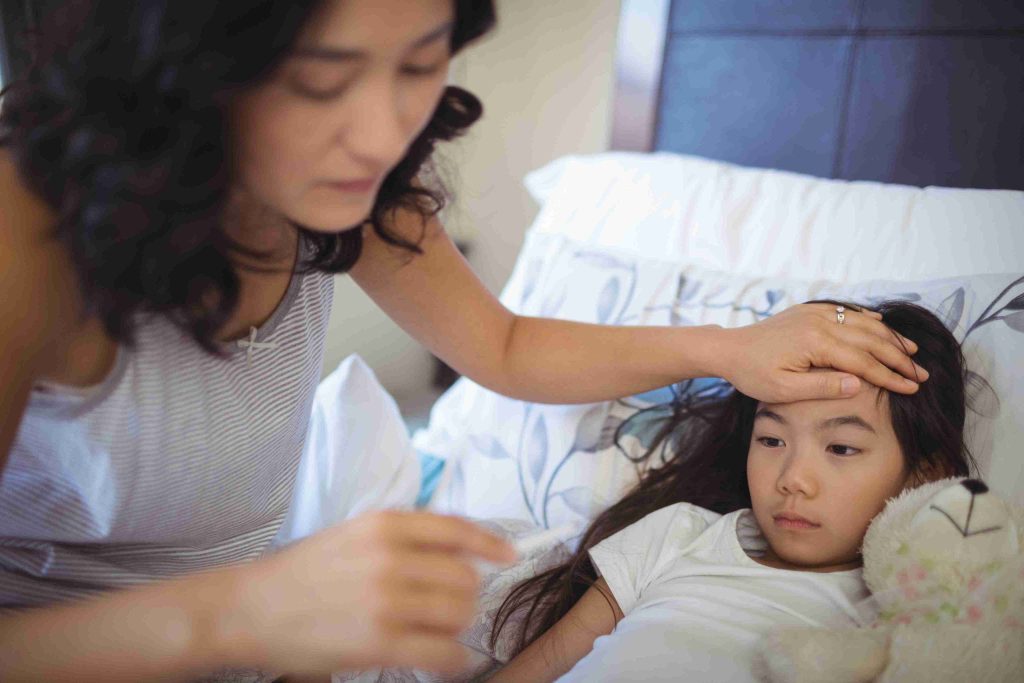
Parents often worry when their child develops a fever, especially when it appears without a cough, cold, vomiting, diarrhea, or other noticeable symptoms. While fever can be alarming, it is usually the body’s natural response to infection.
As a standalone sign, a children fever is not always dangerous, but it does require careful observation. Understanding why fever happens, what patterns to monitor, and when to seek medical help can help parents respond calmly and appropriately.
What Fever Really Means
Fever is not an illness—rather, it’s the body’s way of fighting infections. When bacteria or viruses enter the body, the immune system raises the internal temperature to create an environment where harmful organisms struggle to survive. This means a children fever often signals that the immune system is working properly.
A mild or moderate fever may appear before other symptoms develop. Many viral infections begin with fever as the first sign. This can happen 24–48 hours before cough, sore throat, runny nose, or digestive problems appear.
Common Causes of Fever Without Other Symptoms
When a children fever appears alone, several possible causes may be responsible. These include:
1. Viral Infections
Most fevers in children are caused by self-limiting viral infections. Early in the illness, the fever may be the only noticeable symptom. Examples include influenza, enteroviruses, and adenoviruses.
2. Urinary Tract Infections (UTIs)
A UTI can cause fever in children without other obvious signs. Younger children may not complain of pain or burning. Infants may show vague signs like irritability or reduced feeding.
3. Roseola (Sixth Disease)
This common childhood illness typically begins with a high children fever for 3–5 days with no other symptoms. A pink rash appears only after the fever breaks.
4. Teething (Mild Temperature Elevation Only)
While teething does not cause high fever, it may cause slight temperature elevation. A true fever, however, usually indicates an infection rather than teething.
5. Post-Vaccination Response
Some children develop fever 24–48 hours after receiving certain vaccines. This is normal and usually resolves without treatment.
6. Overdressing or Overheating
Infants are particularly sensitive to heat. Sometimes a children fever may be due to overheating rather than infection.
When Is Fever a Concern?
Though fever itself is not harmful, certain patterns or associated signs may indicate more serious conditions. Parents should monitor:
Age of the Child
- Infants under 3 months with a fever of 38°C (100.4°F) or higher need immediate medical attention, even if no other symptoms are present.
- Babies 3–6 months should be evaluated promptly if the fever exceeds 39°C (102.2°F).
Temperature Level and Duration
- Pediatric fever lasting more than 3 days should be evaluated by a healthcare provider.
- Very high fever (40°C or 104°F and above) requires prompt attention.
Child’s Behavior and Activity
Behavior is often a better indicator of severity than fever alone. Worrisome signs include:
- Lethargy or difficulty waking
- Refusal to drink fluids
- Persistent irritability
- Difficulty breathing
- Blue lips, pale skin, or poor circulation
- Seizures
If any of these accompany fever in children, a medical consultation is recommended.
Presence of Pain
Some infections, such as ear infections or UTIs, may initially present with fever alone but later show pain or discomfort. If the fever persists and the child becomes fussy, stops urinating frequently, or complains of pain, medical evaluation is appropriate.
How to Care for a Child With Only Fever
If the child is otherwise comfortable, drinking well, and active, infant fever can often be managed at home. Here are supportive care steps:
1. Focus on Hydration
Fever increases fluid loss. Offer breast milk, formula, water (for older children), oral rehydration solutions, or clear liquids. Good hydration helps regulate temperature and prevents complications.
2. Keep Clothing Light
Avoid overdressing or heavy blankets. Use light, breathable clothing to prevent overheating.
3. Use Fever-Reducing Medications When Appropriate
Paracetamol (acetaminophen) or ibuprofen can be used to provide comfort if the child is irritable or in pain.
- Avoid aspirin due to the risk of Reye’s syndrome.
- Always use weight-based dosing.
These medications do not treat the cause but make a children’s fever more tolerable.
4. Encourage Rest
Allow the child to rest as needed. Fever increases metabolism and energy use, so extra rest is helpful.
5. Monitor for New Symptoms
Because fever sometimes appears before other symptoms, monitor for:
- Cough
- Rash
- Vomiting or diarrhea
- Ear pulling
- Pain during urination
- Stiff neck
If new symptoms develop, reassessment may be needed.
When to Seek Immediate Medical Help
Parents should seek urgent medical care if:
- The child is under 3 months old with a fever.
- Fever exceeds 40°C (104°F).
- The child experiences a seizure.
- The child is difficult to wake or unusually sleepy.
- Breathing is labored, rapid, or noisy.
- Signs of dehydration appear (no tears, dry mouth, no urine for 6–8 hours).
- There is a purple or rash that does not fade when pressed.
- The children fever persists beyond 72 hours.
Trust your instincts—parents often recognize when their child is not acting normally.
When Fever Is Not an Emergency
If the child is eating, drinking, urinating normally, smiling, and responsive, a children fever is usually not dangerous. Fever is a normal immune response and does not always indicate a serious condition.
Conclusion
A fever without other symptoms can be unsettling, but in most cases, it reflects the body’s natural defense mechanism at work. Many early infections begin with fever as the first sign, and additional symptoms may appear later. Understanding the causes of children fever, monitoring the child’s behavior, and knowing when to seek medical help will help parents respond appropriately. With proper care, observation, and timely medical guidance when needed, most children recover quickly and fully from fever-related illnesses.
References
Connecticutchildrens.org. Fevers in Children: When to Worry and When to Stay Calm. https://www.connecticutchildrens.org/growing-healthy/fever-worry-or-not
Healthychildren.org. Fever Without Fear: Information for Parents. https://www.healthychildren.org/English/health-issues/conditions/fever/Pages/Fever-Without-Fear.aspx
Nortonchildrens.com. Unexplained Fever. https://nortonchildrens.com/services/infectious-diseases/unexplained-fever/