
Key Takeaways
- Certain high-risk groups may benefit from additional doses based on medical advice.
- The effectiveness of a flu vaccine can decrease over time, especially in older adults and immunocompromised individuals.
- Most individuals only need one annual flu vaccine to stay protected during a given influenza season.
- Timing and individual risk factors are key in determining whether more than one flu vaccine is appropriate.
Should You Get One or Two Flu Vaccinations a Year?
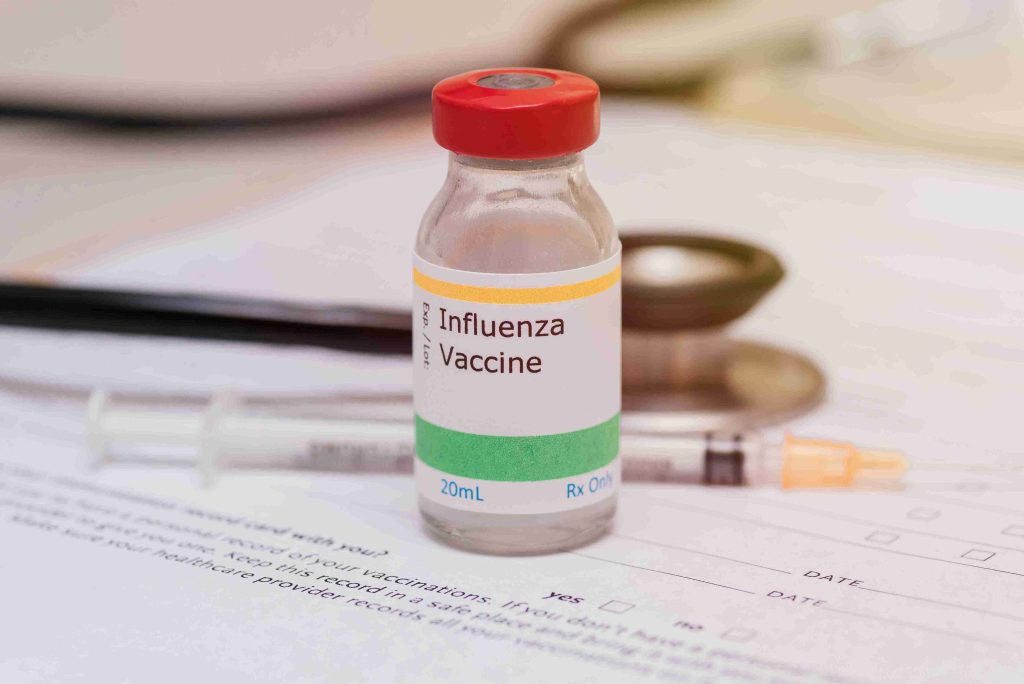
For most people, one flu vaccine per year is sufficient, but some individuals—such as older adults, those with weakened immune systems, or people in high-risk environments—may be advised by a doctor to receive an additional flu vaccine under specific circumstances.
Understanding the Flu and Vaccination
Influenza, commonly known as the flu, is a contagious respiratory illness caused by influenza viruses. It can lead to mild to severe illness and, in some cases, serious complications such as pneumonia, hospitalization, or even death.
The flu vaccine is designed to protect against the most common circulating strains of the virus each year. Because influenza viruses mutate frequently, the vaccine composition is updated annually to match predicted strains.
Getting a flu vaccine remains one of the most effective ways to reduce the risk of infection, complications, and transmission within the community.
Why Is the Flu Vaccine Given Annually?
Unlike some vaccines that provide long-term immunity, the protection from a flu vaccine does not last indefinitely. There are two main reasons for this:
- Viral Mutation: Influenza viruses undergo frequent genetic changes, known as antigenic drift. This means that last year’s vaccine may not provide adequate protection against this year’s strains.
- Waning Immunity: The immune response generated by a flu vaccine gradually decreases over time. Studies show that protection may decline within months, particularly in older adults. Because of these factors, annual vaccination is recommended to maintain optimal protection.
Is One Flu Vaccine Enough?
For the majority of healthy individuals, one flu shot per year is adequate. When administered at the right time—typically before the peak flu season—it provides sufficient protection for most people. Health authorities generally recommend receiving the influenza vaccine once a year, ideally a few weeks before flu activity begins to rise. This allows the body enough time to build immunity.
When Might Two Flu Vaccinations Be Considered?
Although uncommon, there are specific scenarios where receiving more than one flu vaccine in a year may be considered.
Older Adults
Individuals aged 65 and above may experience a faster decline in immunity. In some cases, doctors may recommend enhanced vaccines or additional strategies to maintain protection, though routine double vaccination is not standard.
Immunocompromised Individuals
People with weakened immune systems may not develop a strong response to a single flu vaccination. In certain situations, healthcare providers may consider additional doses or alternative formulations.
Long Flu Seasons or Travel
If you receive a flu vaccine early in the year and are exposed to flu activity many months later—such as during extended travel or overlapping flu seasons—your doctor may assess whether another dose is beneficial.
Mismatched Vaccine Seasons
In rare cases, if the circulating strains differ significantly from those included in the original flu vaccine, updated vaccines may become available, and additional vaccination could be considered.
Comparing One vs. Two Flu Vaccinations
| Factor | One Flu Vaccine | Two Flu Vaccines |
| Standard Recommendation | Yes | No (for most people) |
| Protection Duration | Covers typical flu season | May extend protection in select cases |
| Suitable for Healthy Individuals | Yes | Usually not needed |
| High-Risk Groups | May need enhanced version | Sometimes considered |
| Medical Supervision | Routine | Required |
Risks and Considerations
Receiving more than one flu vaccine in a year is generally safe, but it is not routinely recommended without medical advice.
Safety Profile
The flu vaccine has a strong safety record. Side effects are usually mild and may include soreness at the injection site, low-grade fever, or fatigue.
Overvaccination Concerns
While getting an extra dose is unlikely to cause harm, it may not provide significant additional benefit for most individuals. Therefore, decisions about multiple doses should always be guided by a healthcare professional.
Importance of Timing
Timing plays a critical role in maximizing the effectiveness of a flu vaccine. Getting vaccinated too early may result in reduced protection later in the season, while getting it too late may leave you vulnerable during peak transmission periods.
In general:
- Vaccination is recommended before the start of flu season
- Immunity develops about two weeks after receiving the flu vaccine
- Protection typically lasts for several months
For most individuals, proper timing eliminates the need for a second dose.
Who Should Prioritize Flu Vaccination?
Certain groups are at higher risk of complications from influenza and should prioritize getting a flu vaccine annually:
- Older adults (65 years and above)
- Young children
- Pregnant women
- Individuals with chronic medical conditions
- Healthcare workers and caregivers
For these groups, maintaining adequate protection is especially important, and discussions about vaccination strategies should be personalized.
Practical Tips for Staying Protected
To maximize the benefits of your flu vaccine, consider the following:
- Get vaccinated annually at the recommended time
- Follow public health advice during flu season
- Practice good hygiene, such as frequent handwashing
- Avoid close contact with individuals who are sick
- Seek medical advice if you belong to a high-risk group
These measures, combined with vaccination, provide the best defense against influenza.
Conclusion
For most people, a single flu vaccine each year is sufficient to provide protection throughout the flu season. While there are specific situations where additional doses may be considered, these are not part of routine recommendations and should only be pursued under medical guidance.
Understanding your personal risk factors, timing your vaccination appropriately, and consulting a healthcare professional when needed will help ensure that you receive the right level of protection. Ultimately, staying consistent with annual vaccination remains the most effective strategy for preventing influenza and its complications.
References
Cdc.gov. Who Needs a Flu Vaccine. https://www.cdc.gov/flu/vaccines/vaccinations.html
Immunisationhandbook.health.gov.au. Influenza (Flu). https://immunisationhandbook.health.gov.au/contents/vaccine-preventable-diseases/influenza-flu
Health.harvard.edu. Why Do We Need New Flu Shots Every Year?. https://www.health.harvard.edu/healthy-aging-and-longevity/why-do-we-need-new-flu-shots-every-year