Key Takeaways
- A well-fitting mask can reduce exposure to respiratory viruses at crowded events, especially indoors.
- Masking may be particularly useful for people at higher risk of severe illness or those around vulnerable individuals.
- COVID vaccination is an important layer of protection, but it does not replace other precautions.
- Consider the venue, crowd density, ventilation, event duration, community illness levels, and personal risk before deciding.
Events can be enjoyable, but they can also increase opportunities for respiratory viruses to spread. Concerts, conferences, festivals, sporting events, weddings, and other high-attendance gatherings may involve prolonged close contact with many people, sometimes in indoor or poorly ventilated spaces. Staying up to date with recommended vaccinations, including COVID vaccination, may help reduce the risk of severe illness.
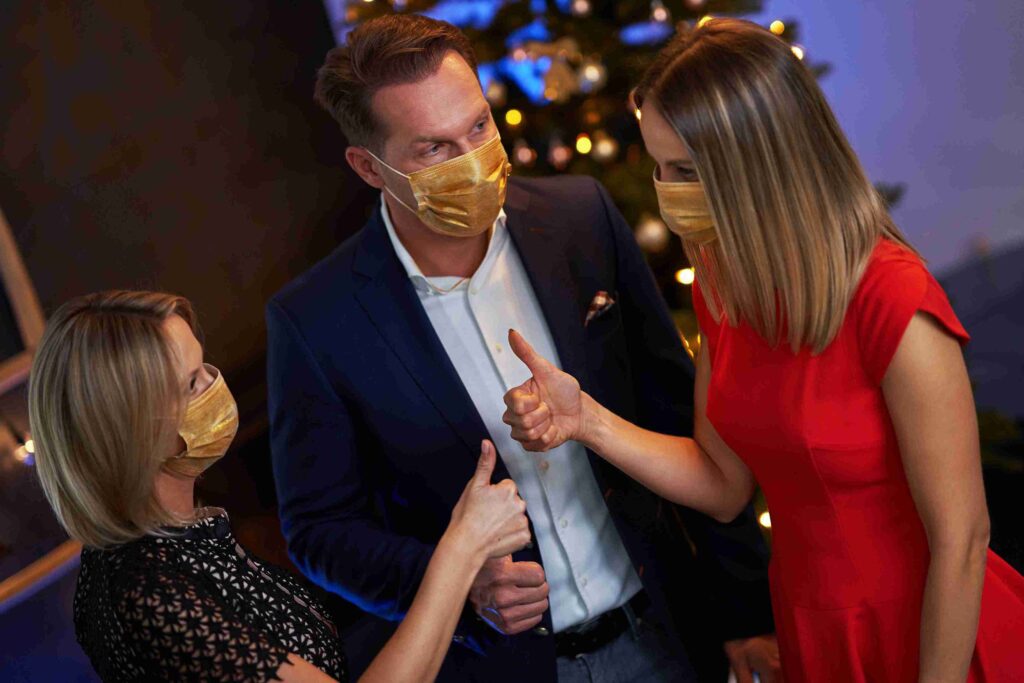
So, should you wear a face mask to an event with high attendance? Yes. Wearing a well-fitting mask is a reasonable way to reduce respiratory virus exposure, particularly at crowded indoor events, during periods of increased respiratory illness, or when you or someone close to you has a higher risk of complications. For additional protection, consider whether you are up to date with recommended COVID-19 immunisation before attending large gatherings.
Why Crowded Events Increase Infection Risk
Respiratory viruses can spread more easily when many people gather in the same space. Close proximity increases opportunities to encounter infectious respiratory particles. Risk may be higher when people are talking loudly, singing, cheering, coughing, or spending several hours together.
Keeping up with recommended COVID-19 vaccinations can be part of a broader approach to protecting yourself during periods of increased respiratory virus transmission. Risk is therefore not determined by attendance alone. The type of venue, crowd density, duration, ventilation, and current illness levels all matter.
When Should You Consider Wearing a Mask?
Masking may be particularly helpful when several risk factors occur together. You may want to wear a mask if you are attending a crowded indoor event, traveling to reach the event, or expecting prolonged close contact with other attendees.
It can also be sensible when respiratory virus activity is high in your community. People with medical conditions that increase their risk of severe respiratory illness may benefit from additional precautions. The same applies to people who live with or care for vulnerable individuals.
Your COVID vaccination status is another consideration. Staying up to date with COVID vaccination can lower the risk of severe outcomes from COVID-19, although vaccination does not guarantee that infection will not occur.
Choosing the Right Mask
Not all masks provide the same level of protection. A well-fitting respirator generally provides better protection than a loose-fitting face covering because it can filter respiratory particles more effectively and reduce gaps around the face. Alongside these precautions, staying current with recommended COVID-19 immunisations can help lower the risk of severe illness if you become infected.
For crowded events, consider a high-quality respirator that fits comfortably and securely. It should cover your nose and mouth without frequent gaps. If you need to wear it for several hours, comfort matters because a mask that is repeatedly removed or adjusted may provide less consistent protection.
The table below summarizes situations in which masking may be useful.
| Event or Situation | Masking Consideration |
| Crowded indoor concert | Strongly consider a well-fitting mask |
| Large conference with poor ventilation | Consider wearing a respirator |
| Outdoor event with plenty of space | Mask may be less necessary |
| High respiratory virus activity | Consider masking, especially indoors |
| Higher risk of severe illness | Consider additional protection |
| Active respiratory infection | Stay home rather than attend |
How Vaccination and Masking Work Together
COVID-19 shots and masking serve different purposes. COVID-19 jabs prepares the immune system to respond to infection and is particularly important for reducing the risk of severe disease. A mask acts as a physical barrier that can reduce the amount of respiratory material you inhale.
Because these measures work differently, combining them can provide layered protection. Staying up to date with recommended Coronavirus vaccination is useful even if you choose to wear a mask at crowded events.
However, COVID vaccination should not create a false sense of complete protection. Breakthrough infections can occur, and vaccinated people may still transmit the virus. Other preventive measures remain valuable when circumstances suggest increased exposure.
Other Ways to Reduce Your Risk
Masking is only one part of reducing respiratory virus exposure. Before attending a large gathering, check whether you have symptoms such as fever, persistent cough, sore throat, unusual fatigue, or other signs of infection. If you are unwell, staying home is generally the safer choice for you and other attendees.
Consider venues with good ventilation or outdoor spaces when possible. Opening windows, improving air circulation, and using effective filtration can help reduce the concentration of respiratory particles indoors.
Hand hygiene can also be useful, particularly before eating or touching your face. Although respiratory viruses such as COVID-19 primarily spread through infectious respiratory particles, cleaning your hands can reduce the transfer of germs from contaminated surfaces.
Who May Benefit Most From Extra Precautions?
Everyone has different circumstances, so there is no single masking rule for every event. People at increased risk of severe respiratory illness may have more reason to take additional precautions.
Older adults and people with certain chronic medical conditions or weakened immune systems may be more vulnerable to complications from respiratory infections. People who are frequently around vulnerable individuals may also choose to be more cautious to reduce the possibility of bringing an infection home.
If you are unsure about your personal risk, discussing COVID vaccination, masking, and other preventive measures with a healthcare professional can help you make an informed decision.
What If You Do Not Wear a Mask?
Choosing not to wear a mask does not automatically mean you will become infected. Risk depends on multiple factors, including the amount of virus circulating, how crowded the venue is, how long you stay, ventilation, and your proximity to potentially infectious people.
Nevertheless, skipping a mask removes one possible layer of protection. If you are comfortable with that level of risk and have no additional concerns, you may decide that masking is unnecessary in a particular setting.
The decision can change from one event to another. A short outdoor gathering with plenty of space presents a different situation from a packed indoor concert lasting several hours.
Conclusion
Wearing a face mask at a high-attendance event can be a practical way to reduce exposure to respiratory viruses, particularly in crowded indoor environments. The benefit may be greater when ventilation is poor, respiratory virus activity is elevated, or you or someone close to you is at higher risk of severe illness.
Keeping up with COVID vaccination adds another layer of protection, particularly against severe disease. Combining COVID vaccination with appropriate masking, good ventilation, hand hygiene, and staying home when sick can provide a more comprehensive approach to respiratory illness prevention.
Ultimately, the best choice depends on the event and your individual circumstances. If you expect to spend hours in a crowded indoor venue, wearing a well-fitting mask is a reasonable precaution. If the event is outdoors, well ventilated, and less crowded, you may decide that the additional protection is less important.
References
Health.mountsinai.org. How to Attend Large Events Safely–Both Indoors and Outside. https://health.mountsinai.org/blog/how-to-attend-large-events-safely-both-indoors-and-outside/
Cdph.ca.gov. When and Why to Wear a Mask or Respirator. https://www.cdph.ca.gov/Programs/CID/DCDC/Pages/Respiratory-Viruses/When-and-Why-to-Wear-a-Mask.aspx
Who.int. Coronavirus Disease (COVID-19) Advice for the Public: When and How to Use Masks. https://www.who.int/emergencies/diseases/novel-coronavirus-2019/advice-for-public/when-and-how-to-use-masks