Key Takeaways
- MOH is exploring ways to support more regular bone density screening, particularly for women who face increased osteoporosis risk after menopause.
- The proposal supports Healthier SG’s preventive-care approach, which focuses on earlier detection and appropriate follow-up through primary care.
- Bone mineral density testing is not automatically required for everyone; doctors consider age, menopause status, fracture history and other risk factors.
- If introduced, expanded subsidies could make appropriate bone health assessment more accessible and support earlier intervention.
Singapore is placing greater emphasis on preventive healthcare as its population ages. Against this backdrop, the Government is considering how Healthier SG could support more frequent bone density testing, particularly for women.
The issue gained attention after Health Minister Ong Ye Kung said in March 2026 that the Ministry of Health (MOH) was looking at ways to help women undergo bone density screening more regularly. He noted that osteoporosis is especially relevant to women around and after menopause, when hormonal changes can accelerate bone loss.
Why is the Government Considering this Change?
The main reason is that osteoporosis can develop silently, weakening bones before a person experiences symptoms or a fracture. The Government is considering expanded bone density screening because earlier identification of osteoporosis risk may allow appropriate management before a serious fracture occurs.
This aligns with the broader purpose of Healthier SG Screening, which encourages prevention, early detection and timely follow-up rather than waiting until disease becomes advanced.
Osteoporosis is a condition in which bone strength is reduced, making bones more susceptible to fractures. A fracture, particularly a hip fracture in an older adult, can have substantial consequences for mobility, independence and quality of life. Identifying people at higher risk can therefore be an important part of healthy ageing.
Why are Women a Particular Focus?
Women experience life-stage changes that can affect bone health. Oestrogen helps maintain bone density, but its levels fall significantly during menopause. As a result, bone loss can accelerate during the menopausal transition and the years that follow.
This does not mean every woman needs routine bone density testing at the same age or frequency. A doctor can assess individual risk factors and determine whether testing is appropriate.
These may include age, menopausal status, previous fragility fractures, low body weight, certain medical conditions, family history and long-term use of medicines that affect bone health. Singapore’s current osteoporosis guidance recommends assessing the need for bone mineral density testing in people with risk factors, particularly postmenopausal women.
The focus on women also reflects a wider effort to strengthen preventive care across different stages of women’s health. MOH has indicated that screening recommendations should continue to evolve as evidence and population needs change.
What is a Bone Mineral Density Test?
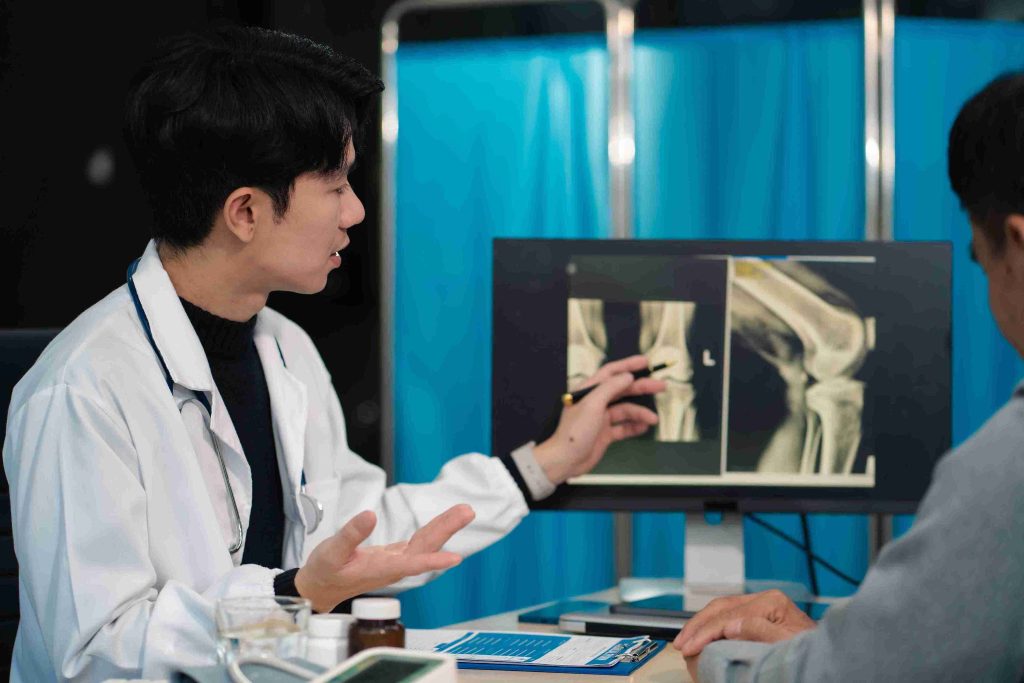
Bone mineral density (BMD) testing measures the mineral content of bones and helps assess bone strength. The standard diagnostic method is dual-energy X-ray absorptiometry, commonly called a DXA or DEXA scan. Singapore’s clinical guidance recommends DXA-based assessment when appropriate, particularly for people with relevant risk factors.
A DXA scan is different from a general health screening blood test. It is a targeted assessment used when osteoporosis or fracture risk is a concern.
| Result | What it Generally Means |
| Normal BMD | Bone density is within the expected range. |
| Osteopenia | Bone density is lower than normal but not in the osteoporosis range. |
| Osteoporosis | Bone density is sufficiently reduced to indicate increased fracture risk. |
Results require careful interpretation within clinical context.
How Could Healthier SG Screening Change?
Currently, Healthier SG Screening provides subsidised screening tests to eligible Singapore Citizens according to age, sex, existing medical conditions and the date of the last screening. The programme encourages regular screening and follow-up through primary care.
Under the existing framework, osteoporosis-related BMD testing has been treated differently from population-wide screening because evidence has supported individual risk-based decisions rather than testing everyone. The 2026 Screening Test Review Committee report includes refreshed recommendations on osteoporosis, reflecting updated evidence and best practices.
Adding bone density assessment to a preventive programme would not necessarily mean that every eligible person automatically receives a DXA scan. Future protocols could help doctors identify people who would benefit most from assessment and determine how testing should be subsidised. In this way, Singapore’s Healthier SG Screening could become more responsive to individual risk.
What are the Potential Benefits?
A more accessible screening pathway could help reduce barriers to identifying osteoporosis. Earlier identification gives patients and doctors an opportunity to discuss exercise, nutrition, fall prevention, medication where clinically indicated and other measures that support bone health.
The proposal could also strengthen continuity of care. A family doctor participating in Healthier SG can consider screening results alongside a patient’s medical history and lifestyle. This supports MOH’s emphasis on primary care, where doctors can personalise screening, explain results and arrange follow-up.
Preventing or reducing fractures can help preserve mobility and independence, particularly among older adults. However, the value of screening depends on selecting appropriate patients, ensuring reliable follow-up and providing effective treatment when needed.
What Should Women Do Now?
Women should not wait for a new subsidy or programme change before discussing bone health with their doctor. If you are postmenopausal, have had a fracture after a minor fall, have a low body weight, take medicines that affect bone strength, or have other osteoporosis risk factors, ask whether a BMD assessment is appropriate.
Healthy habits remain important regardless of whether a scan is recommended. Regular weight-bearing and muscle-strengthening exercise, adequate calcium and vitamin D intake, avoiding smoking and limiting excessive alcohol consumption can support bone health.
For those already enrolled in Healthier SG, their family doctor can advise whether they are due for recommended screenings and whether additional assessments are clinically appropriate. Healthier SG Screening subsidies currently depend on eligibility criteria, so patients should check with their enrolled clinic rather than assume a particular test is covered.
For eligible Singapore Citizens, Healthier SG Screening can make preventive care affordable. Healthier SG health screening follows tests, while Healthier SG medical screening can connect screening with follow-up.
What Happens Next?
The proposal remains part of MOH’s work to develop appropriate healthcare protocols. In March 2026, Mr Ong said MOH was working with doctors on protocols aimed at preventing frailty and encouraging bone screening, and that once this work is completed, people could expect better subsidies for bone density screening.
This means the exact eligibility criteria, testing frequency, subsidy arrangements and implementation timeline may still change. Patients should rely on updates from MOH and HealthHub rather than assume that a proposed expansion is already available.
Conclusion
The Government is considering greater support for bone density screening because osteoporosis can progress without obvious symptoms, while early identification of higher-risk individuals may help prevent fractures and preserve healthy ageing. The proposal is particularly relevant to women because menopause-related hormonal changes can accelerate bone loss.
At present, a DXA scan is not a universal test for everyone. A doctor should consider personal risk factors and clinical circumstances before recommending it. If incorporated into Healthier SG health check, a targeted approach could make appropriate testing more affordable while connecting results with meaningful follow-up care.
For now, women can discuss osteoporosis risk with their family doctor, maintain bone-healthy lifestyle habits and keep up with recommended preventive screenings. As Singapore continues to strengthen preventive healthcare, bone health is likely to remain an important part of helping people stay active and independent as they age.
References
Theindependent.sg. MOH Considers Bone Density Tests for Women Under Healthier SG. https://theindependent.sg/moh-considers-bone-density-tests-for-women-under-healthier-sg/
Channelnewsasia.com. MOH to Focus More on Women’s Health, Considering Bone Density Tests Under Healthier SG: Ong Ye Kung. https://www.channelnewsasia.com/singapore/moh-women-health-ong-ye-kung-medisave-ai-5979526