Key Takeaways
- Travel vaccines protect against region-specific diseases and are a critical part of pre-travel planning.
- Access to healthcare varies globally, making personal medication preparation essential for safety.
- Preparing travel medications ensures you can manage common illnesses and emergencies while abroad.
- A well-prepared travel health kit reduces risks, prevents complications, and supports a smoother trip.
Why Should You Prepare Travel Medications for Overseas Travels?
Preparing travel medications is essential because it allows you to manage common health issues, reduce risks of illness, and ensure protection through necessary travel vaccines, especially in destinations with limited healthcare access.
Traveling overseas exposes individuals to new environments, climates, and potential health risks that may not be present in their home country. From minor ailments like headaches and stomach upset to more serious infections, being prepared with the right medications can significantly improve your safety and overall travel experience.
One of the most important aspects of preparation is ensuring that you are protected with appropriate travel vaccines. These vaccines help prevent diseases that may be uncommon or non-existent in your home country but prevalent in your destination. When combined with a well-stocked travel health kit, they form a strong foundation for safe and healthy travel.
Understanding the Importance of Travel Preparation
When traveling internationally, access to healthcare services may be limited, expensive, or unfamiliar. Language barriers, different medical systems, and delays in seeking care can make even minor health concerns more challenging to manage.
This is why preparing medications ahead of time is crucial. Bringing essential medicines ensures that you can treat common conditions promptly without relying on foreign pharmacies or clinics. In addition, planning ahead allows you to consult a healthcare professional about recommended travel vaccines, ensuring you are protected before departure.
Travel vaccines are particularly important for destinations where infectious diseases such as hepatitis A, typhoid, or yellow fever are common. These preventive measures reduce your risk of illness and help you comply with entry requirements in certain countries.
Common Health Risks During Travel
Travelers may encounter various health risks depending on their destination, activities, and duration of stay. These risks highlight the importance of preparing medications and obtaining appropriate travel vaccines.
1. Gastrointestinal Issues
Traveler’s diarrhea is one of the most common conditions affecting international travelers. Contaminated food or water can lead to symptoms such as diarrhea, nausea, and dehydration.
2. Respiratory Infections
Changes in climate, crowded transportation, and exposure to new viruses can increase the risk of respiratory illnesses.
3. Insect-Borne Diseases
Diseases such as malaria, dengue, and Japanese encephalitis are transmitted through insect bites. Travel vaccinations and preventive medications play a key role in protection.
4. Chronic Condition Management
Travel can disrupt routines, making it important for individuals with chronic conditions to carry sufficient medication and plan accordingly.
Essential Travel Medications to Bring
A well-prepared travel health kit should include medications that address both common and destination-specific health concerns.
- Pain relievers (e.g., paracetamol or ibuprofen)
- Anti-diarrheal medication
- Oral rehydration salts
- Antihistamines for allergies
- Motion sickness medication
- Prescription medications for chronic conditions
- First aid supplies (bandages, antiseptic)
In addition to these, travelers should ensure they are up to date with recommended vaccines for travel to prevent serious infectious diseases.
Role of Travel Vaccines in Health Protection
Travel immunizations are a critical component of pre-travel preparation. They provide immunity against diseases that may be prevalent in certain regions and help prevent outbreaks. Some commonly recommended travel vaccines include:
- Hepatitis A and B
- Typhoid
- Yellow fever
- Rabies
- Japanese encephalitis
- Tetanus-diphtheria boosters
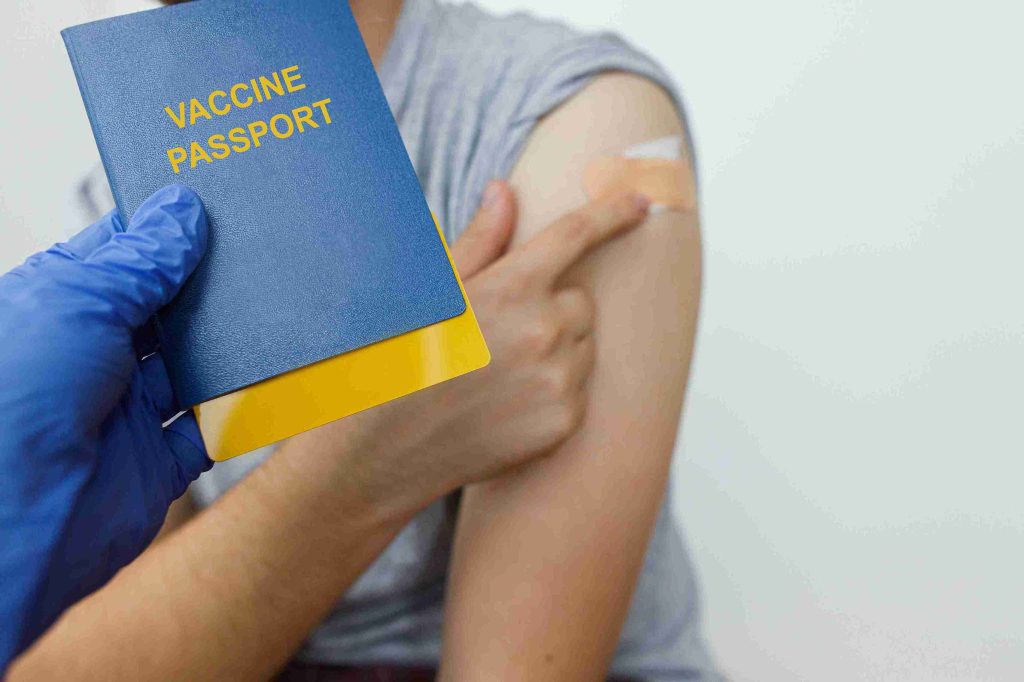
Travel vaccines not only protect individual travelers but also reduce the risk of spreading infections across borders. In some countries, proof of specific travel vaccines is required for entry, making them both a health and administrative necessity.
Table: Common Travel Health Preparations
| Category | Examples | Purpose |
| Basic Medications | Pain relievers, antihistamines | Manage minor illnesses |
| Gastrointestinal Care | Anti-diarrheal, rehydration salts | Prevent dehydration and treat stomach issues |
| Chronic Medications | Blood pressure, diabetes meds | Maintain ongoing health conditions |
| Preventive Measures | Travel vaccines, malaria meds | Protect against infectious diseases |
| First Aid Supplies | Bandages, antiseptic wipes | Treat minor injuries |
When to Get Travel Vaccines
Timing is crucial when planning for travel vaccines. Ideally, travelers should consult a healthcare provider at least 4 to 6 weeks before departure. This allows enough time for vaccines to take effect and for multi-dose schedules to be completed if necessary.
Some travel vaccines require multiple doses spaced over several weeks, while others provide immediate protection. Early planning ensures that you receive full immunity before exposure to potential health risks.
Benefits of Preparing Travel Medications
- Immediate Access to Treatment: Having medications readily available allows you to address symptoms early, preventing them from worsening.
- Reduced Healthcare Costs: Seeking medical care abroad can be expensive. Carrying medications helps minimize unnecessary expenses.
- Increased Confidence While Traveling: Knowing that you are prepared with essential medications and travel vaccines provides peace of mind.
- Better Health Outcomes: Prompt treatment and preventive measures reduce the risk of complications and improve overall well-being during travel.
Special Considerations for Travelers
Certain groups should take extra precautions when preparing travel medications and travel vaccines:
- Older adults may require additional vaccines and monitoring
- Pregnant travelers should consult a doctor before receiving certain travel vaccines
- Children may need age-specific vaccinations and dosages
- Immunocompromised individuals require personalized medical advice
A healthcare provider can help tailor a travel health plan based on individual needs and destination risks.
Tips for Safe Medication Use While Traveling
- Keep medications in original packaging with labels
- Carry a copy of prescriptions
- Pack medications in carry-on luggage
- Check regulations for medications in your destination country
- Store medications properly to maintain effectiveness
In addition, always keep documentation of your travel vaccines, as some countries may require proof upon arrival.
Common Misconceptions
“I don’t need medications for short trips”
Even short trips can expose you to unexpected health issues. Basic preparation is always recommended.
“Travel vaccines are optional”
While some travel vaccines are not mandatory, they are strongly recommended based on risk. Skipping them increases your vulnerability to preventable diseases.
“I can buy medications abroad”
Availability and quality of medications vary by country. It is safer to bring your own.
Conclusion
Preparing travel medications is a vital step in ensuring a safe and enjoyable overseas trip. From managing common illnesses to preventing serious infections through travel vaccines, proper preparation allows travelers to navigate health risks with confidence.
Travel vaccines play a central role in protecting against region-specific diseases and should be planned well in advance. Combined with a well-stocked travel health kit, they provide comprehensive protection that supports both short-term safety and long-term health.
By taking a proactive approach to travel health, consulting healthcare professionals, and ensuring you are equipped with the right medications and travel vaccines, you can focus on enjoying your journey while minimizing potential health risks.
References
Cdc.gov. Traveling Abroad with Medicine. https://wwwnc.cdc.gov/travel/page/travel-abroad-with-medicine
Hopkinsmedicine.org. Traveler’s First-Aid Kit. https://www.hopkinsmedicine.org/health/wellness-and-prevention/travelers-firstaid-kit
Pubmed.ncbi.nlm.nih.gov. Travel Medicine: Helping Patients Prepare for Trips Abroad. https://pubmed.ncbi.nlm.nih.gov/9713394/