
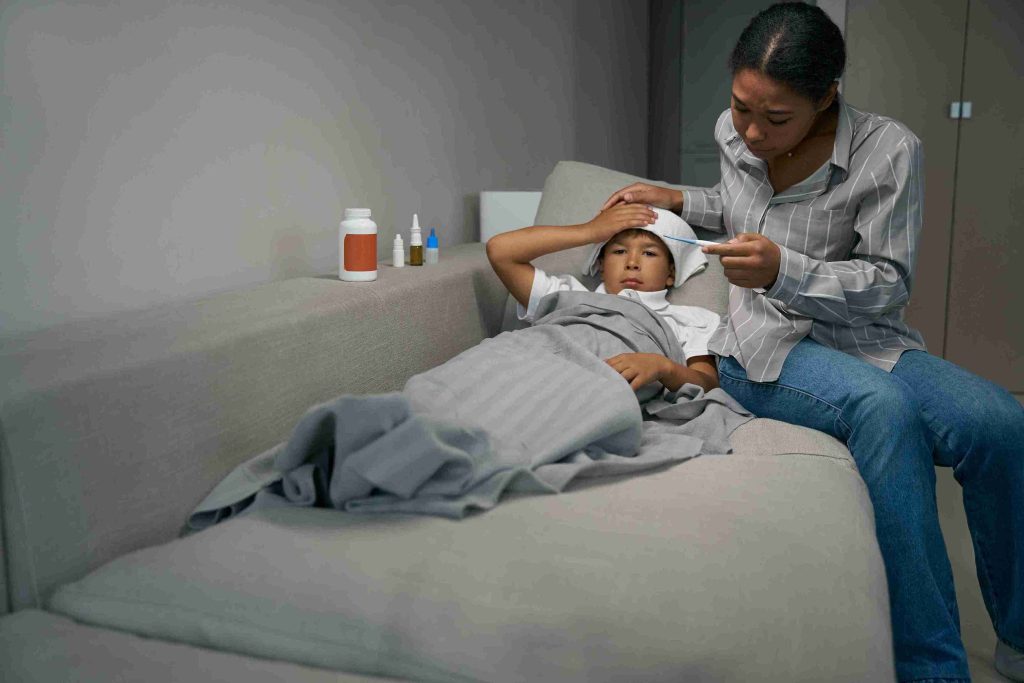
Key Takeaways
- Haze exposure in Singapore can irritate the respiratory system and may contribute to children’s fever, especially during prolonged episodes.
- Fine particulate matter (PM2.5) in haze can trigger inflammation, infections, and worsening of underlying conditions in children.
- While haze itself does not directly cause fever, it can increase susceptibility to infections that lead to children fever.
- Preventive measures such as limiting outdoor exposure, using masks, and monitoring symptoms help reduce health risks.
Does the Haze Contribute to Children’s Fever?
Yes, haze can contribute to children’s fever indirectly by irritating the airways, weakening immune defenses, and increasing the risk of respiratory infections that may lead to fever.
Haze episodes are a recurring environmental concern in Singapore, typically caused by transboundary forest fires in the region. During these periods, air quality deteriorates due to increased levels of fine particulate matter, particularly PM2.5. These microscopic particles can penetrate deep into the lungs and even enter the bloodstream, posing health risks—especially for young children.
Parents often notice a rise in symptoms such as cough, runny nose, and children’s fever during haze periods. While haze does not directly cause fever like an infection would, it creates conditions that make children more vulnerable to illnesses that result in fever.
How Haze Affects Children’s Health
Children are more susceptible to environmental pollutants because their lungs are still developing, and they breathe faster than adults. This means they inhale more pollutants relative to their body size. Exposure to haze can lead to:
- Airway irritation
- Inflammation of the respiratory tract
- Reduced immune response
- Increased risk of viral or bacterial infections
These effects can trigger or worsen conditions that eventually lead to children fever. In Singapore, where haze episodes can last days to weeks, prolonged exposure increases these risks.
Why Children May Develop Fever During Haze
Although haze itself is not an infection, it plays a role in increasing the likelihood of illnesses that cause fever.
1. Increased Risk of Respiratory Infections
Haze particles irritate the airways, making it easier for viruses and bacteria to infect the respiratory system. This can lead to illnesses such as upper respiratory tract infections, which commonly present with pediatric fever.
2. Immune System Stress
Continuous exposure to pollutants can weaken the body’s defenses. When the immune system is compromised, children become more susceptible to infections that result in fever in children.
3. Exacerbation of Existing Conditions
Children with asthma or allergies may experience flare-ups during haze periods. These conditions can sometimes be accompanied by low-grade children fever, especially if secondary infections develop.
4. Environmental Heat and Dehydration
Haze is often associated with dry and warm conditions. Dehydration and heat stress can contribute to mild increases in body temperature, which may be mistaken for children’s fever.
Common Symptoms Seen During Haze
During haze episodes in Singapore, children may experience a range of symptoms. These can vary in severity depending on the level of exposure and individual health status.
- Cough and throat irritation
- Runny or blocked nose
- Eye irritation
- Fatigue
- Mild breathing difficulty
- Fever in children in cases of infection
It is important for caregivers to distinguish between mild symptoms caused by irritation and more serious signs that may indicate infection.
Table: Haze Exposure and Health Effects in Children
| Exposure Level (PSI/PM2.5) | Common Effects in Children | Risk of Children Fever |
| Good to Moderate | Minimal symptoms | Low |
| Unhealthy | Cough, throat irritation | Moderate |
| Very Unhealthy | Breathing discomfort, fatigue | Increased |
| Hazardous | Severe respiratory symptoms | High |
When to Be Concerned About Fever
Not all fevers during haze are cause for alarm, but certain signs should prompt medical attention. Parents should monitor children’s fever closely, especially when it is accompanied by other symptoms. Seek medical care if:
- Fever persists for more than 2–3 days
- Temperature exceeds 39°C
- Child shows difficulty breathing
- There is persistent lethargy or poor feeding
- Symptoms worsen despite rest and hydration
In Singapore, healthcare providers are well-equipped to assess whether a kid’s fever is related to environmental exposure or an underlying infection.
Preventive Measures During Haze
Reducing exposure is key to protecting children from the health effects of haze and minimizing the risk of children’s fever.
Limit Outdoor Activities
Avoid outdoor play when air quality reaches unhealthy levels. Schools in Singapore often adjust outdoor activities during haze periods.
Use Protective Masks
Properly fitted masks, such as N95 masks, can reduce inhalation of fine particles. However, they may not be suitable for very young children.
Maintain Indoor Air Quality
Keep windows closed and use air purifiers where possible. Clean indoor environments help reduce exposure.
Ensure Adequate Hydration
Encourage children to drink fluids regularly. Hydration supports overall health and may reduce the severity of symptoms.
Monitor Symptoms
Early detection of symptoms, including children fever, allows timely intervention and prevents complications.
Role of Healthcare in Singapore
Singapore’s healthcare system provides clear guidelines during haze episodes. Public advisories from agencies such as the National Environment Agency (NEA) help families make informed decisions about outdoor activities.
Clinics and hospitals also see an increase in cases involving respiratory symptoms and children fever during haze periods. Early consultation ensures proper diagnosis and management.
Common Misconceptions
“Haze directly causes fever”
Haze itself does not directly cause children fever, but it increases the risk of infections that lead to fever.
“Masks completely prevent illness”
Masks reduce exposure but do not eliminate all risks, especially in high pollution levels.
“Indoor environments are always safe”
Indoor air can still be affected if windows are open or if there is poor filtration.
Long-Term Considerations
Repeated exposure to haze over time may have cumulative effects on children’s respiratory health. While occasional episodes are manageable, consistent preventive measures are essential. Parents should:
- Stay updated on air quality readings
- Encourage healthy habits
- Ensure regular medical check-ups
Monitoring children’s fever during haze periods can also provide early clues about underlying health issues.
Conclusion
Haze is a significant environmental factor in Singapore that can indirectly contribute to children’s fever by increasing the risk of respiratory irritation and infections. While it does not directly cause fever, its impact on the immune system and airways makes children more vulnerable during periods of poor air quality.
By understanding how haze affects health, taking preventive measures, and monitoring symptoms such as children’s fever, parents can better protect their children. Early intervention, proper care, and awareness remain key to minimizing risks and ensuring children stay healthy even during haze episodes.
References
Pubmed.ncbi.nlm.nih.gov. Haze is a Risk Factor Contributing to the Rapid Spread of Respiratory Syncytial Virus in Children. https://pubmed.ncbi.nlm.nih.gov/27439752/
Doctoranywhere.com. Haze in Singapore and Your Child’s Health: Your Doctor Answers. https://doctoranywhere.com/blog/2023/10/09/haze-in-singapore-childs-health-doctor/
Unicef.org. Growing Up in the Haze. https://www.unicef.org/eap/media/17471/file/Air%20pollution%20Advocacy%20Brief%20FINAL.pdf.pdf