Key Takeaways
- Recommended health screenings help detect diseases early, even before symptoms appear.
- A trusted health screening clinic can tailor tests based on age, risk factors, and medical history.
- Regular screenings reduce long-term health risks and improve treatment outcomes.
- Combining routine check-ups with personalized assessments ensures comprehensive preventive care.
What Are Some Recommended Health Screenings?
Recommended health screenings include tests for blood pressure, cholesterol, diabetes, cancer, and organ function, and these are best performed at a health screening clinic where care can be tailored to individual risk factors.
Preventive healthcare plays a crucial role in maintaining long-term well-being. Many serious conditions, such as heart disease, diabetes, and certain cancers, can develop silently without noticeable symptoms. Regular health screenings allow early detection, enabling timely intervention and better outcomes.
Visiting a health screening clinic ensures access to structured and comprehensive assessments designed to evaluate overall health. These clinics provide both routine and advanced screening options, helping individuals stay informed about their health status and take proactive steps toward prevention.
Why Health Screenings Are Important
Health screenings are essential because they identify potential health issues before they become severe. Early detection often leads to simpler, more effective treatment and reduces the risk of complications.
A medical screening clinic offers a systematic approach to preventive care, including consultations, diagnostic tests, and follow-up plans. This continuity of care ensures that any abnormalities are addressed promptly. Key benefits of regular screenings include:
- Early detection of chronic diseases
- Monitoring of existing health conditions
- Prevention of disease progression
- Improved quality of life
Common Recommended Health Screenings
Different screenings are recommended depending on age, gender, lifestyle, and medical history. A health check clinic can guide individuals in selecting the most appropriate tests.
1. Blood Pressure Screening
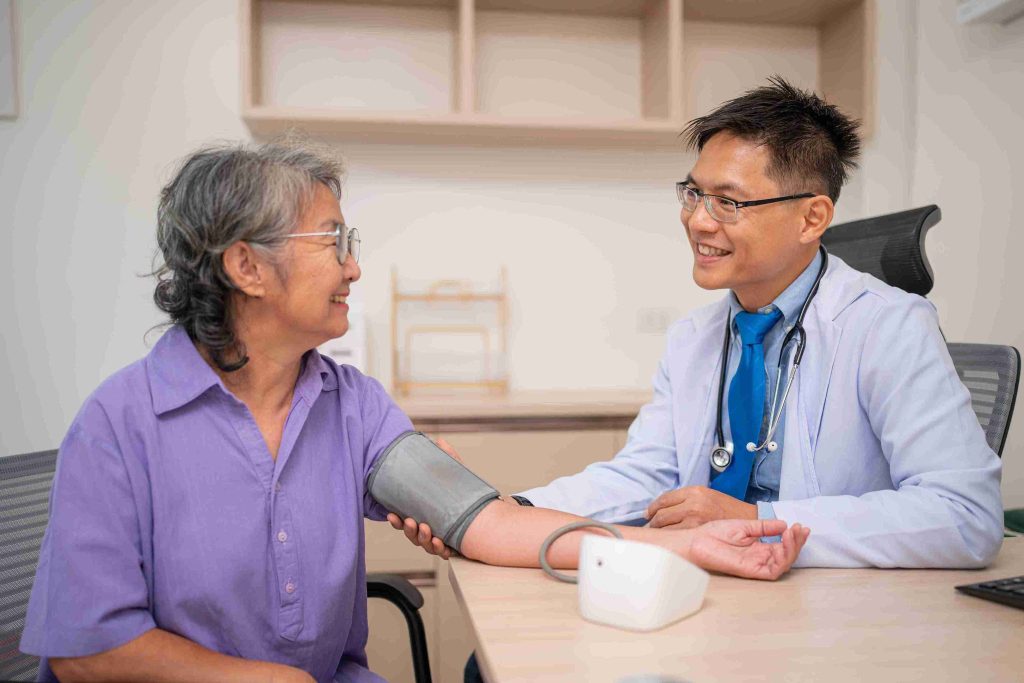
High blood pressure often has no symptoms but significantly increases the risk of heart disease and stroke. Regular monitoring is essential for early detection and management.
2. Cholesterol Testing
Cholesterol levels help assess the risk of cardiovascular disease. A health assessment clinic typically includes lipid profile tests as part of routine evaluations.
3. Blood Glucose Testing
Screening for diabetes is important, especially for individuals with risk factors such as obesity or family history. Early diagnosis allows for lifestyle changes and treatment to prevent complications.
4. Cancer Screenings
Cancer screenings vary based on age and gender. Common tests include:
- Mammograms for breast cancer
- Pap smears for cervical cancer
- Colonoscopy for colorectal cancer
A health screening services clinic provides access to these tests and ensures they are conducted according to recommended guidelines.
5. Body Mass Index (BMI) and Weight Assessment
Monitoring weight and BMI helps identify risks related to obesity, including diabetes and cardiovascular disease.
6. Vision and Hearing Tests
Routine vision and hearing checks are important, particularly for older adults, to maintain quality of life and independence.
Table: Recommended Health Screenings by Age Group
| Age Group | Recommended Screenings | Purpose |
| 20–39 years | Blood pressure, BMI, basic blood tests | Establish baseline health |
| 40–59 years | Cholesterol, diabetes, cancer screenings | Detect early chronic diseases |
| 60+ years | Comprehensive screenings, vision, hearing | Monitor aging-related conditions |
| All ages | Lifestyle assessment, vaccinations | Prevent illness and promote overall health |
Personalized Screening at a Health Screening Clinic
Not all individuals require the same tests. A preventive care clinic evaluates personal risk factors such as:
- Family medical history
- Lifestyle habits (diet, smoking, physical activity)
- Existing medical conditions
- Occupational risks
Based on these factors, healthcare providers can recommend a customized screening plan. This personalized approach ensures that tests are relevant and beneficial.
Frequency of Health Screenings
The frequency of screenings depends on individual health status and risk factors. In general:
- Healthy adults should undergo basic screenings annually
- Individuals with chronic conditions may require more frequent monitoring
- Older adults benefit from regular comprehensive assessments
A diagnostic screening clinic helps determine the appropriate schedule and ensures consistency in monitoring health over time.
Additional Screenings to Consider
Beyond routine tests, certain individuals may benefit from specialized screenings available at a health screening clinic.
Cardiovascular Assessments
Tests such as electrocardiograms (ECG) or stress tests evaluate heart function and detect abnormalities.
Imaging Studies
Ultrasound, X-rays, or CT scans may be recommended to assess internal organs.
Liver and Kidney Function Tests
These tests evaluate organ health and detect early signs of disease.
Bone Density Screening
Especially important for older adults, this test helps detect osteoporosis and prevent fractures.
How a Health Screening Clinic Supports Preventive Care
A healthcare screening clinic provides more than just tests—it offers a structured approach to long-term health management. Services typically include:
- Pre-screening consultations
- Comprehensive diagnostic testing
- Interpretation of results
- Follow-up care and recommendations
This integrated approach ensures that patients receive not only accurate diagnoses but also actionable guidance for improving their health.
Preparing for a Health Screening
To maximize the benefits of a visit to a health screening clinic, proper preparation is important.
- Follow fasting instructions if required
- Bring medical records and previous test results
- List current medications
- Inform the clinic of any symptoms or concerns
Preparation ensures accurate results and helps healthcare providers make informed recommendations.
Common Misconceptions About Health Screenings
“I feel fine, so I don’t need screening”
Many conditions are asymptomatic in early stages. Regular visits to a health screening clinic help detect issues before symptoms appear.
“Screenings are only for older adults”
Preventive care is important at all ages. Early screening establishes a health baseline and identifies risk factors.
“All screenings are the same”
Screening needs vary widely. A health screening clinic customizes tests based on individual profiles.
Long-Term Benefits of Regular Screenings
Consistent health screenings contribute to:
- Early disease detection
- Better treatment outcomes
- Reduced healthcare costs
- Improved overall health
By visiting a health screening clinic regularly, individuals can track changes in their health and take proactive measures to maintain well-being.
Conclusion
Recommended health screenings are essential for detecting diseases early, monitoring health, and preventing complications. From blood pressure and cholesterol checks to cancer screenings and organ assessments, these tests provide valuable insights into overall health.
A health screening clinic plays a key role in delivering personalized, comprehensive care. By combining routine check-ups with tailored assessments, individuals can take control of their health and reduce long-term risks.
Regular screenings, guided by medical professionals, ensure that potential health issues are identified early and managed effectively. Ultimately, investing in preventive care through a health screening clinic is one of the most important steps toward achieving and maintaining long-term health.
References
Hopkinsmedicine.org. Screening Tests for Common Diseases. https://www.hopkinsmedicine.org/health/treatment-tests-and-therapies/screening-tests-for-common-diseases
Webmd.com. Checkups and Tests You Shouldn’t Miss. https://www.webmd.com/a-to-z-guides/ss/slideshow-checkups-needed
Uclahealth.org. Preventive Health Screenings, By Age. https://www.uclahealth.org/sites/default/files/documents/NewPatientGuide-PrevHealth_FINAL_091721.pdf