Key Takeaways
- Face masks can reduce exposure to respiratory particles that transmit COVID-19, but they do not eliminate the risk of infection.
- Mask effectiveness depends on the type of mask, its fit, and how consistently it is worn.
- COVID vaccination helps reduce the risk of severe illness and complements other protective measures, including masking and improved ventilation. COVID-19 vaccination is an important part of this approach.
- People at higher risk of severe disease should consider additional precautions in crowded indoor spaces and when respiratory illnesses are circulating.
Is a Face Mask Enough to Protect Against COVID-19?
A face mask can help protect against COVID-19, but it is not sufficient protection on its own in every situation. The most effective approach combines a well-fitting mask with COVID vaccination, good ventilation, hand hygiene, and appropriate precautions around people who are sick.
The level of protection needed depends on factors such as community transmission, personal health risks, and the environment. Vaccination against COVID-19 adds another layer of protection.
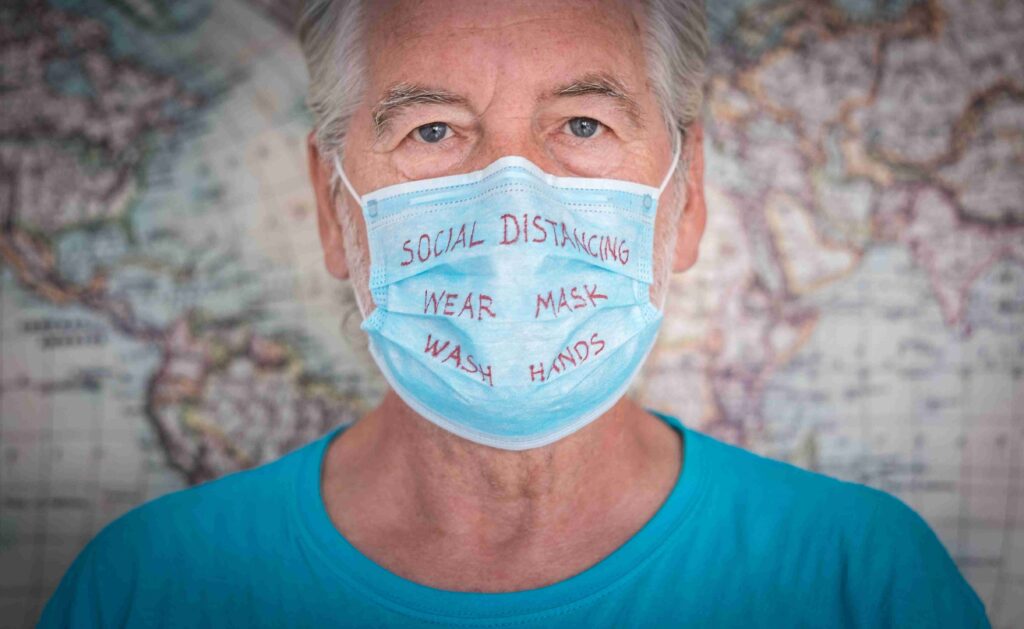
COVID-19 spreads primarily through infectious respiratory particles released when an infected person breathes, speaks, coughs, or sneezes. People can transmit the virus even when they have mild symptoms or do not feel ill. Wearing a mask reduces the number of infectious particles a person releases and may reduce the amount they inhale.
However, masks vary in effectiveness, and gaps around the nose and mouth can allow particles to enter or escape. Understanding how masks work and when additional precautions are necessary can help people make informed decisions about protecting themselves and others.
How Do Face Masks Help Prevent COVID-19?
Face masks provide a physical barrier that filters respiratory particles. Their effectiveness depends on the filtration material, how closely the mask fits the face, and whether it is worn correctly.
A well-fitting mask covers both the nose and mouth without leaving large gaps around the cheeks, chin, or nose bridge. Masks that become damp, damaged, or difficult to breathe through should be replaced according to the manufacturer’s instructions.
Masks are particularly useful in crowded indoor settings, public transportation, healthcare facilities, and other places where maintaining distance may be difficult. They may also provide additional protection when someone lives with a person who has COVID-19 or needs to visit a vulnerable individual.
Nevertheless, masks work best as part of a broader prevention strategy rather than as a guarantee against infection.
Which Type of Face Mask Offers the Best Protection?
Different masks offer different levels of filtration and fit. Choosing an appropriate option depends on the setting, availability, comfort, and individual risk.
| Mask Type | General Level of Protection | Important Considerations |
| Cloth mask | Variable | Protection depends on fabric, layers, and fit; generally less reliable than a well-fitting respirator. |
| Surgical or medical mask | Moderate to good | Can reduce respiratory particle exposure, but loose gaps may allow particles to bypass the material. |
| N95, KN95, or equivalent respirator | Generally higher when properly fitted | Designed for high filtration; a secure seal is important for achieving expected protection. |
A well-fitting respirator, such as an N95, generally offers greater protection than a loose-fitting mask because it combines efficient filtration with a closer facial seal. Certified respirators should be selected carefully, and users should follow the manufacturer’s instructions.
For everyday situations, a medical mask may still provide useful protection. However, people at greater risk of severe illness may benefit from choosing a higher-filtration respirator, especially in crowded or poorly ventilated indoor environments.
Why COVID Vaccination Still Matters
COVID vaccination is an important part of reducing the health risks associated with COVID-19. COVID immunisation helps the immune system recognise the virus and prepare to respond if infection occurs. Although vaccination does not guarantee that a person will avoid infection, it can reduce the risk of severe disease and other serious outcomes.
The protection provided by vaccination can change over time as immunity wanes and new variants emerge. Recommendations regarding vaccine doses and timing may also vary according to age, health status, previous vaccination, and local public health guidance. COVID vaccine recommendations may therefore differ between individuals.
COVID vaccination and mask use serve different purposes. A mask can reduce exposure to infectious respiratory particles, while vaccination prepares the immune system to respond to infection. Using both when appropriate can provide complementary protection. COVID-19 vaccine protection may also vary depending on the time since vaccination and the circulating variants.
People who are older, immunocompromised, or living with certain chronic conditions should discuss vaccination recommendations with a healthcare professional. They should also consider additional precautions when respiratory viruses are circulating widely. A healthcare professional can advise whether an updated COVID vaccine or additional dose is appropriate.
Other Ways to Reduce the Risk of COVID-19
Beyond wearing a mask, several practical measures can help lower the likelihood of infection.
Improve Indoor Ventilation
Good ventilation helps dilute and remove infectious respiratory particles from indoor air. Open windows when safe and practical, use effective air filtration where available, and favour outdoor gatherings when conditions permit. Crowded, poorly ventilated spaces generally present greater transmission risks.
Practise Good Respiratory Hygiene
Cover coughs and sneezes with a tissue or your elbow, dispose of used tissues promptly, and wash your hands regularly. Hand hygiene remains useful for general infection prevention, although COVID-19 transmission primarily occurs through respiratory particles rather than contaminated surfaces.
Stay Home When Sick
People with respiratory symptoms should limit close contact with others, particularly individuals at higher risk of severe illness. Follow local guidance on testing, isolation, and returning to work or school. If contact with others cannot be avoided, wearing a well-fitting mask can help reduce transmission.
Consider Personal Risk Factors
The precautions that make sense for one person may differ from those needed by another. People with weakened immune systems, older adults, and individuals with certain underlying conditions may need greater protection. Healthcare settings may also have specific masking requirements.
COVID vaccination, ventilation, and masking can be combined according to the circumstances rather than relying on one measure alone. COVID booster vaccination may be recommended for certain groups based on current public health guidance.
When Should You Wear a Mask?
Masking can be especially helpful in situations where exposure is more likely or the consequences of infection could be serious.
Consider wearing a well-fitting mask when using crowded public transportation, spending time in poorly ventilated indoor spaces, visiting healthcare facilities where masking is recommended, or caring for someone with a respiratory infection. You may also choose to wear one in public when community transmission is increasing or when protecting a vulnerable household member.
Even if local rules do not require masks, individuals can choose to wear them based on their personal risk and comfort. Respecting the needs of people who are medically vulnerable can also help create safer shared environments.
Frequently Asked Questions
Can I still get COVID-19 while wearing a mask?
Yes. Masks reduce exposure but cannot eliminate it entirely. Infection remains possible, particularly after prolonged exposure to an infected person or in crowded, poorly ventilated settings. A good fit and high-filtration mask can improve protection.
Do vaccinated people still need to wear masks?
Not everyone needs to wear a mask in every setting. Decisions should consider personal health risks, local transmission, and the environment. COVID vaccination reduces the risk of severe illness, while masks can offer additional protection when exposure risk is higher. COVID vaccine doses should be kept up to date according to applicable recommendations.
Is an N95 mask better than a surgical mask?
Generally, yes, when the N95 is genuine, properly fitted, and worn correctly. Its filtration and facial seal can provide greater protection than a loose-fitting surgical mask. Comfort and consistent use also matter.
Should I wear a mask if I have COVID-19 symptoms?
If you have symptoms, avoid close contact with others where possible. If contact is necessary, a well-fitting mask can help reduce the spread of respiratory particles. Follow local public health guidance and seek medical advice if you are at increased risk of complications.
Conclusion
Face masks are a useful tool for reducing the spread of COVID-19, but they should not be viewed as complete protection. Their effectiveness depends on filtration, fit, and consistent use, as well as the level of exposure.
Combining appropriate masking with COVID vaccination, good ventilation, respiratory hygiene, and staying home when sick provides a more comprehensive approach to reducing risk. By considering personal health needs and the circumstances in which exposure may occur, individuals can make informed choices to protect themselves and those around them.
References
https://www.mayoclinic.org. How Well Do Face Masks Protect Against COVID-19?. https://www.mayoclinic.org/diseases-conditions/coronavirus/in-depth/coronavirus-mask/art-20485449
Cdc.gov. Masks and Respiratory Viruses Prevention. https://www.cdc.gov/respiratory-viruses/prevention/masks.html
Ncbi.nlm.nih.gov. Mask is a Must: The Need of Protection and Safety Against COVID-19. https://pmc.ncbi.nlm.nih.gov/articles/PMC8083662/