
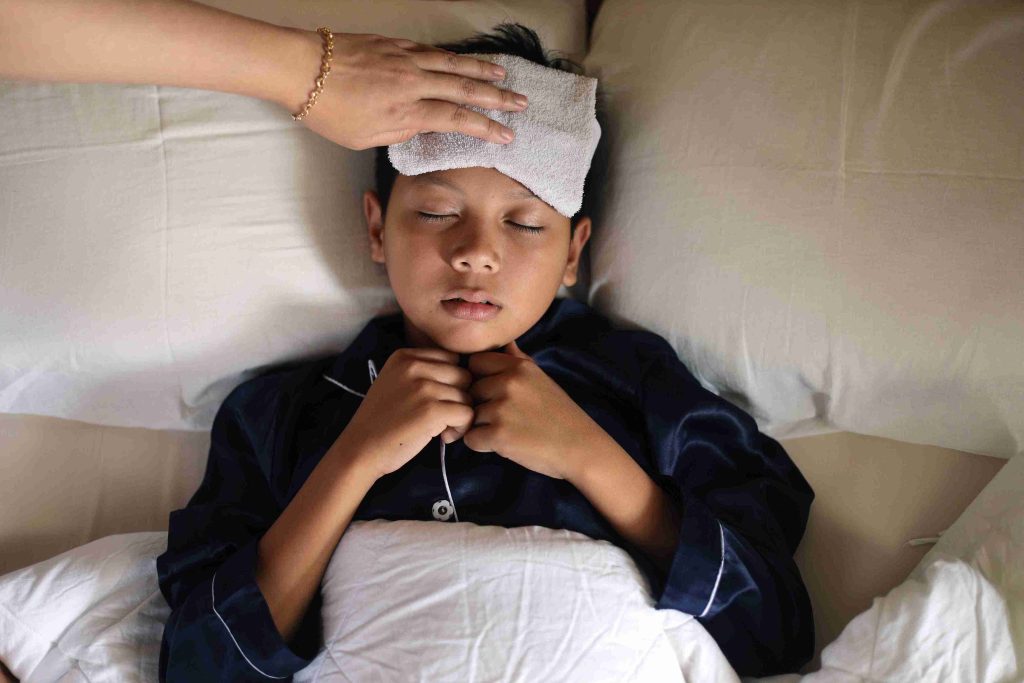
Key Takeaways
- Dengue can begin with a high fever and flu-like symptoms, but these signs can overlap with other childhood infections.
- A child with fever plus headache, body aches, nausea, vomiting, rash, or pain behind the eyes may need medical assessment for dengue.
- Warning signs can appear when the fever starts to improve, so a lower temperature does not always mean the illness is resolving.
- Severe abdominal pain, repeated vomiting, bleeding, breathing difficulty, extreme weakness, or unusual sleepiness requires urgent medical care.
Dengue fever is a mosquito-borne viral infection that is common in tropical regions. Children can develop dengue after being bitten by an infected Aedes mosquito, and symptoms can range from mild illness to a potentially life-threatening condition. Because dengue can initially resemble other infections, parents may find it difficult to identify the cause of a fever.
How Can I Tell If My Child May Have Dengue?
The clearest answer is that dengue should be suspected when a child develops a high fever together with headache, pain behind the eyes, muscle or joint aches, nausea, vomiting, or a rash, particularly when dengue is circulating locally. However, symptoms alone cannot confirm infection, and a healthcare professional may recommend testing or clinical monitoring.
When assessing children’s fever, parents should consider the whole pattern rather than relying on temperature alone. Dengue symptoms commonly begin several days after infection and may last about two to seven days. Some children have mild symptoms, while others can become seriously ill.
Common Symptoms of Dengue in Children
Early dengue may look like a typical viral illness. Common symptoms include:
- High pediatric fever
- Headache
- Pain behind the eyes
- Muscle, bone, or joint pain
- Nausea or vomiting
- Rash
- Tiredness or weakness
Younger children may not describe pain clearly. Parents may instead notice irritability, reduced activity, poor appetite, or a child who wants to sleep more than usual. These signs are not specific to dengue, but they matter when monitoring a child’s fever with possible mosquito exposure.
A child with fever by itself does not establish dengue. Many infections can cause fever in children, so parents should not diagnose the condition based only on a thermometer reading. If children’s fever occurs with several symptoms associated with dengue, medical advice is appropriate.
Why the Fever Pattern Matters
Dengue can have a misleading course. During children’s fever episodes, a child may have several days of fever and feel generally unwell. The temperature may then fall as the illness enters a period when complications can develop.
Parents should continue observing children’s fever closely even when the temperature appears to improve. Warning signs often occur within about 24 to 48 hours after the fever goes away. A child who seems better because the fever has decreased may still require close monitoring.
Warning Signs Parents Should Never Ignore
Seek urgent medical care if a child with suspected or confirmed dengue develops any of these warning signs:
- Severe or persistent abdominal pain or tenderness
- Repeated or persistent vomiting
- Bleeding from the nose or gums
- Vomiting blood or passing blood in the stool
- Rapid or difficult breathing
- Extreme tiredness, weakness, restlessness, or unusual irritability
- Pale, cold skin or marked thirst
Severe dengue can progress rapidly and may cause severe bleeding, shock from fluid leakage, or organ impairment. Prompt medical care is essential when warning signs appear. A drop in temperature does not necessarily signal recovery, so parents should continue to monitor fever in kids when the temperature falls and watch out for other symptoms.
How Is Dengue Diagnosed?
Dengue cannot be reliably confirmed by symptoms alone. A healthcare professional may assess the child’s symptoms, medical history, mosquito exposure, local dengue activity, and physical findings. Blood testing may help confirm infection, although clinical management can sometimes begin before laboratory confirmation.
Tell the healthcare professional when the fever began, whether the child has vomited or bled, and whether there has been possible dengue exposure.
What Should Parents Do at Home?
If dengue is suspected, parents should seek medical advice rather than relying on home treatment alone. Children assessed as having mild illness and allowed to recover at home generally need rest and adequate fluids. Offer fluids regularly and watch for reduced urination, persistent vomiting, or other signs of dehydration.
Paracetamol, also called acetaminophen, may be used for fever or discomfort when appropriate for the child’s age and according to professional advice and dosing instructions. Aspirin and ibuprofen should be avoided in suspected dengue unless a healthcare professional specifically advises otherwise because they can increase bleeding risk.
Prevent mosquito bites while the child is ill by using screens, nets, protective clothing, and age-appropriate repellents.
When Should a Child See a Doctor?
A child with persistent or significant fever should be assessed by a healthcare professional, especially where dengue is common or after possible mosquito exposure. Young children may not communicate symptoms clearly.
Medical assessment is particularly important when children’s fever is accompanied by vomiting, rash, severe headache, unusual sleepiness, poor fluid intake, or significant behavior changes. Seek advice if the fever continues, returns after improving, or children fever symptoms worsen.
Understanding the Difference Between Dengue and Other Fevers
Dengue shares symptoms with many childhood illnesses, including other viral infections. Fever, tiredness, headache, nausea, and poor appetite are not unique to dengue. A rash can also occur with several infections.
Focus on changes in the child’s overall condition and seek professional assessment when dengue is possible. Do not wait for every classic symptom. Early recognition of deterioration is more important than identifying dengue at home with certainty.
Protecting Children From Dengue
Prevention focuses mainly on reducing exposure to infected mosquitoes. Aedes mosquitoes commonly bite during the daytime, so protection should be maintained throughout the day. Keep windows and doors screened when possible, use mosquito nets for infants and sleeping children when appropriate, and use child-appropriate insect repellent according to its label. Empty or cover containers that collect standing water around the home.
Conclusion
Recognizing dengue in a child is not always straightforward because early symptoms can resemble common childhood infections. However, a high fever combined with headache, body aches, nausea, vomiting, rash, or pain behind the eyes should prompt consideration of dengue, particularly where transmission occurs.
Parents should monitor children’s fever carefully and remember that the period immediately after the fever falls can be critical for children’s fever recovery. Watch closely for abdominal pain, persistent vomiting, bleeding, breathing problems, unusual weakness, restlessness, or other warning signs.
If dengue is suspected, contact a healthcare professional for appropriate assessment. Seek emergency care immediately if warning signs or severe symptoms develop. With early recognition, careful monitoring, adequate supportive care, and prompt treatment of complications, the risk of serious outcomes can be reduced.
References
Kidshealth.org. Dengue Fever. https://kidshealth.org/en/parents/dengue.html
Who.int. Dengue. https://www.who.int/news-room/fact-sheets/detail/dengue-and-severe-dengue
Mayoclinic.org. Dengue Fever. https://www.mayoclinic.org/diseases-conditions/dengue-fever/symptoms-causes/syc-20353078