
Key Takeaways
- Vaccination is the most effective way to protect children from chickenpox and reduce complications such as severe rash and children fever.
- Chickenpox spreads easily through respiratory droplets and direct contact, making hygiene and isolation important.
- Early symptoms often include children’s fever, fatigue, and loss of appetite before the rash appears.
- Prompt care, monitoring, and supportive treatment help manage symptoms and prevent complications.
How Can You Protect Your Children from Chickenpox?
You can protect your children from chickenpox primarily through vaccination, good hygiene practices, and early recognition of symptoms such as children fever, which allows timely care and isolation.
Chickenpox is a highly contagious viral infection caused by the varicella-zoster virus. It is common in childhood and typically presents with an itchy rash and systemic symptoms. While most cases are mild, complications can occur, particularly in younger children, immunocompromised individuals, or those with underlying health conditions.
Understanding how chickenpox spreads, recognizing early symptoms like children fever, and taking preventive steps are essential to keeping children safe.
What Is Chickenpox?
Chickenpox is a viral illness characterized by:
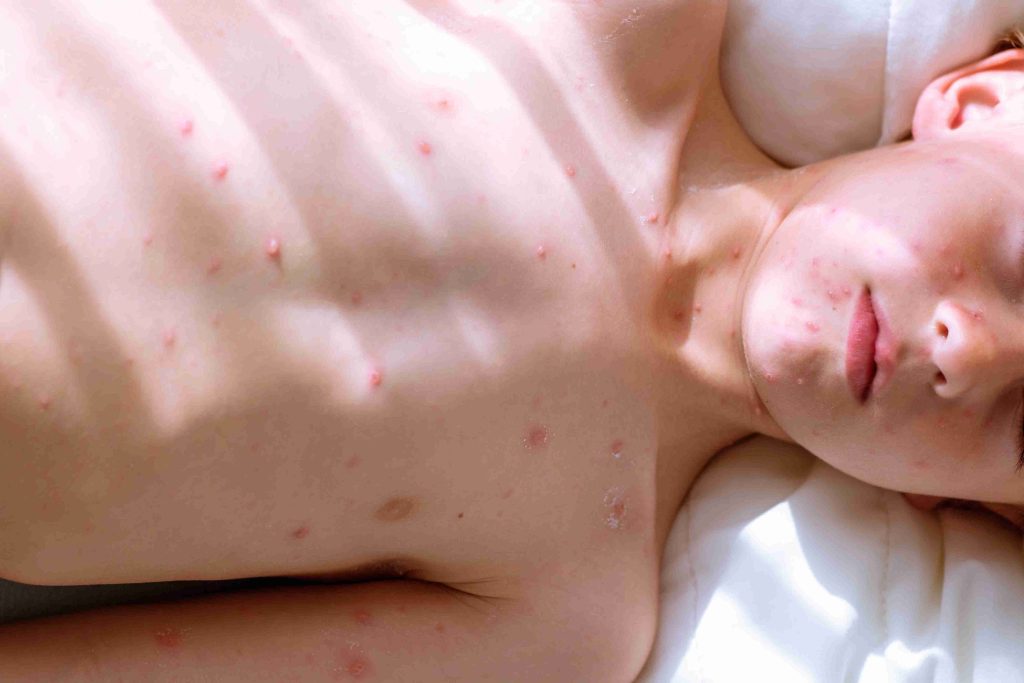
- Red, itchy skin rash that progresses to fluid-filled blisters
- Fever, often seen as children fever in early stages
- Fatigue and irritability
- Reduced appetite
The infection usually begins with mild symptoms such as children fever before the characteristic rash appears. The virus spreads easily in environments where children interact closely, such as schools and daycare centers.
How Chickenpox Spreads
Chickenpox spreads through:
- Respiratory droplets from coughing or sneezing
- Direct contact with fluid from blisters
- Contact with contaminated surfaces
Because of its high transmissibility, a child with pediatric fever and early symptoms can spread the virus even before the rash becomes visible. This makes early detection and preventive measures critical.
Role of Vaccination
Vaccination is the most effective way to prevent chickenpox. The varicella vaccine significantly reduces the risk of infection and lowers the severity of symptoms if infection occurs.
Benefits of Vaccination
- Prevents most cases of chickenpox
- Reduces the severity of illness
- Lowers the risk of complications
- Minimizes outbreaks in communities
Even in vaccinated children, mild symptoms such as low-grade children fever may occur, but these cases are usually less severe.
Recognizing Early Symptoms
Early recognition of symptoms helps prevent the spread of infection. Common early signs include:
- Fever in children (often mild to moderate)
- Fatigue and malaise
- Loss of appetite
- Headache
These symptoms are usually followed by the appearance of a rash within one to two days. Monitoring children’s fever closely allows parents to act quickly and isolate the child if necessary.
Table: Chickenpox Symptoms Timeline
| Stage of Illness | Common Symptoms | Notes |
| Day 1–2 | Children fever, fatigue | Early signs before rash |
| Day 2–4 | Rash and blisters appear | Highly contagious stage |
| Day 4–7 | Blisters crust over | Symptoms begin to improve |
| Day 7–10 | Recovery phase | Rash heals completely |
Preventive Measures at Home
In addition to vaccination, several steps can help reduce the risk of infection.
- Practice Good Hygiene: Encourage regular handwashing and avoid sharing personal items. This reduces the spread of the virus, especially when children fever is present.
- Isolate Infected Children: If a child develops children fever and a rash, keep them at home until all blisters have crusted over.
- Clean and Disinfect Surfaces: Regularly clean toys, surfaces, and frequently touched objects to minimize contamination.
- Avoid Contact with Vulnerable Individuals: Keep infected children away from infants, pregnant women, and immunocompromised individuals.
Managing Chickenpox at Home
Most cases of chickenpox can be managed at home with supportive care.
Symptom Management
- Monitor children fever and provide fever-reducing medication as advised
- Keep the child hydrated
- Offer soft, nutritious foods
- Ensure adequate rest
Skin Care
- Keep fingernails short to prevent scratching
- Use soothing lotions or oatmeal baths to relieve itching
- Dress the child in loose, comfortable clothing
Managing children’s fever and skin symptoms effectively helps improve comfort and prevent complications.
When to Seek Medical Attention
While chickenpox is usually mild, medical attention is necessary if the child develops:
- Persistent or high children fever
- Difficulty breathing
- Severe headache or confusion
- Signs of skin infection (increased redness, swelling, or pus)
- Dehydration
Prompt medical evaluation ensures that complications are identified and treated early.
Complications to Watch For
Although rare, chickenpox can lead to complications such as:
- Bacterial skin infections
- Pneumonia
- Encephalitis (brain inflammation)
Persistent children fever or worsening symptoms may indicate complications and should not be ignored.
Importance of Early Detection
Early detection of symptoms, especially children fever, plays a key role in controlling the spread of chickenpox. Recognizing these signs allows parents to:
- Isolate the child promptly
- Seek appropriate care
- Prevent transmission to others
Timely action reduces the risk of outbreaks in schools and communities.
Supporting Immune Health
A strong immune system helps children recover more quickly from infections.
Healthy Habits
- Balanced diet rich in fruits and vegetables
- Adequate sleep
- Regular physical activity
- Proper hydration
These habits support overall health and help the body respond effectively when children fever or infection occurs.
Common Misconceptions
“Chickenpox is always mild”
While often mild, complications can occur, especially in vulnerable individuals.
“Once infected, no care is needed”
Monitoring symptoms such as children fever is essential to ensure proper recovery.
“Vaccination is unnecessary”
Vaccination significantly reduces the risk and severity of infection.
Long-Term Protection
After recovering from chickenpox, most individuals develop immunity. However, the virus remains dormant and may reactivate later in life as shingles. Vaccination helps reduce the risk of both initial infection and potential complications, making it a key preventive measure.
Conclusion
Protecting children from chickenpox involves a combination of vaccination, hygiene practices, and early recognition of symptoms such as children fever. While the disease is often mild, proactive measures can significantly reduce the risk of complications and transmission.
By staying vigilant, monitoring children fever, and following preventive strategies, parents can ensure their children remain safe and healthy. Early detection, proper care, and vaccination together provide the most effective protection against chickenpox and its potential risks.
References
Clevelandclinic.org. Chickenpox. https://my.clevelandclinic.org/health/diseases/4017-chickenpox
Pmc.ncbi.nlm.nih.gov. Facts About Chickenpox. https://pmc.ncbi.nlm.nih.gov/articles/PMC2722564/
Verywellhealth.com. Preventing Chickenpox. https://www.verywellhealth.com/chicken-pox-prevention-vaccine-1068748
Immunize.org. Varicella (Chickenpox): Questions and Answers. https://www.immunize.org/wp-content/uploads/catg.d/p4202.pdf